

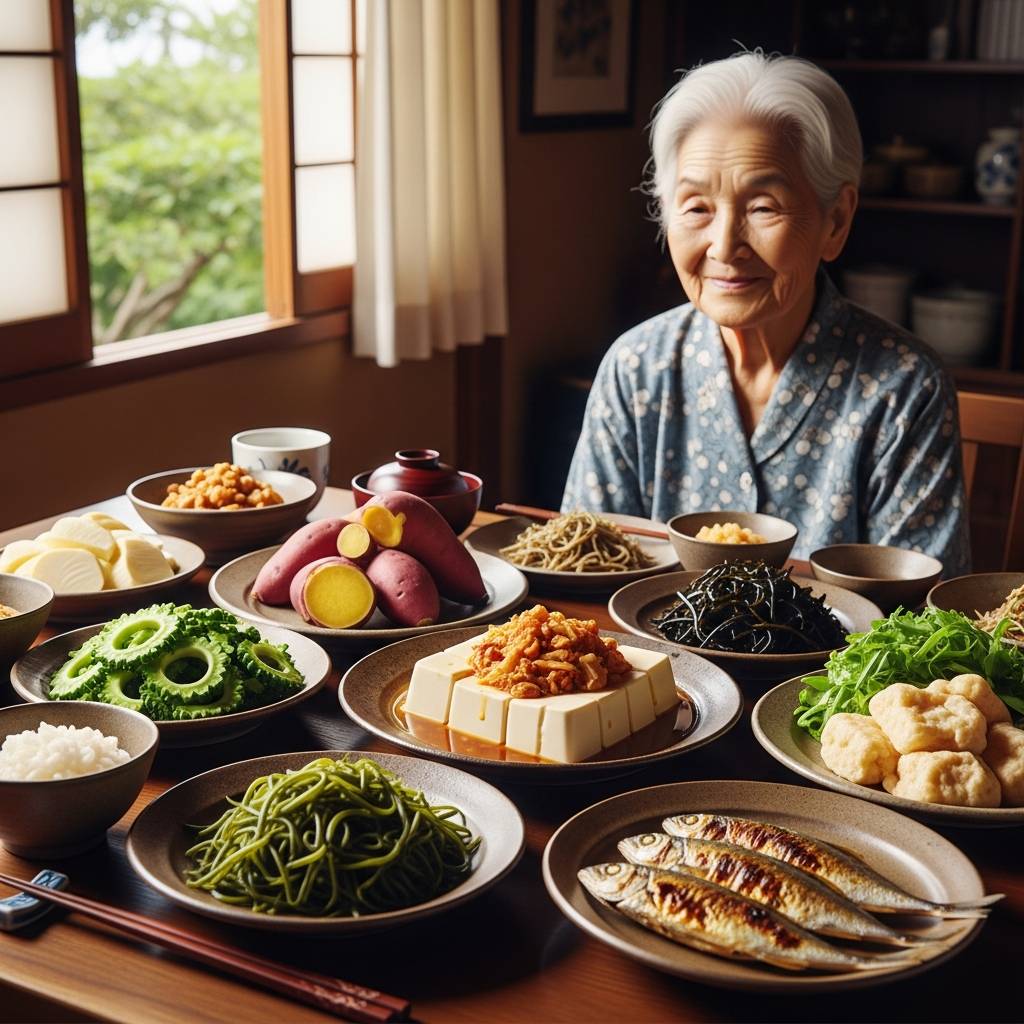
Are you searching for the secret to a longer, healthier life? Look no further than the beautiful island of Okinawa, Japan – home to some of the world’s longest-living people. With an impressive number of centenarians, Okinawa stands as a testament to how dietary choices can significantly impact longevity and quality of life. In this comprehensive guide, we’ll explore the fascinating eating patterns of Okinawan elders who regularly celebrate their 100th birthdays with vigor and vitality. From their plant-based staples to their mindful eating habits, we’ll uncover the nutritional wisdom that has been practiced for generations in this renowned Blue Zone. Whether you’re interested in adopting these age-defying practices or simply curious about how food can transform your health journey, this article offers valuable insights into meals that have stood the test of time – literally. Join us as we delve into authentic centenarian recipes and discover how incorporating these principles might add not just years to your life, but life to your years.
1. Secrets from Okinawa: 5 Daily Meals That Help People Live Past 100
Okinawa is recognized worldwide as one of the five Blue Zones, regions where people consistently live longer, healthier lives than anywhere else on Earth. With the highest concentration of centenarians in the world, Okinawans have preserved dietary traditions that contribute significantly to their longevity. Here are five daily meals from Okinawan cuisine that researchers believe contribute to their remarkable lifespans.
The traditional Okinawan breakfast often features “Miso Shiru,” a nutrient-dense soup made with fermented soybean paste, seaweed, and seasonal vegetables. This probiotic-rich starter helps maintain gut health and provides essential minerals to begin the day. Paired with a small portion of rice and “Goya Champuru” (bitter melon stir-fry), this morning meal delivers antioxidants without excessive calories.
For mid-morning nourishment, Okinawans typically consume “Andagi,” small amounts of sweet potato—particularly the purple Okinawan variety rich in anthocyanins. Unlike the Western habit of coffee breaks with processed snacks, this carbohydrate choice provides sustained energy and beneficial compounds that reduce inflammation.
Lunch in Okinawa traditionally centers around the “Nuchi Gusui” concept—food as medicine. A typical plate includes a variety of seaweed like “Hijiki” or “Mozuku,” small portions of locally caught fish, and at least seven different vegetables. The diversity of plant foods in a single meal contributes to the microbiome diversity that researchers now associate with longer lifespans.
The afternoon refreshment in Okinawa often features “Sanpin-cha” (jasmine tea) accompanied by seasonal fruits or “Konbu” (kelp) based snacks. These provide hydration and nutrients without the blood sugar spikes associated with modern processed snacks.
Dinner represents the final and often lightest meal in the Okinawan day, following their cultural practice of “Hara Hachi Bu”—eating until you’re 80% full. A typical evening meal includes “Chanpuru” (stir-fried vegetables with small amounts of pork), “Umibudo” (sea grapes), and fermented vegetables. These foods are rich in polyphenols and beneficial bacteria that support cellular health and reduce oxidative stress.
What’s particularly notable about the Okinawan eating pattern is not just what they consume but how they approach food. Meals are eaten slowly, with gratitude, and in community settings that foster social connections—another key factor in longevity research. By adopting even a few elements of these traditional Okinawan meals, we might improve our chances of enjoying a longer, healthier life.
2. The Okinawa Method: How Blue Zone Eating Can Add 20+ Years to Your Life
The Okinawa Method is not just a diet—it’s a blueprint for longevity backed by generations of centenarians. Research consistently shows that Okinawans live longer, healthier lives than almost anyone else on the planet, with an average lifespan extending well into the 90s and an unprecedented number of residents reaching 100+ years of age.
What makes this Blue Zone eating pattern so effective? The secret lies in its “80% rule” or “hara hachi bu”—eating until you’re 80% full rather than completely satiated. This natural caloric restriction promotes cellular repair and reduces oxidative stress, two key factors in aging.
Traditional Okinawan meals center around plant-based foods, with sweet potatoes serving as the staple carbohydrate rather than rice. These purple powerhouses are rich in antioxidants and have a lower glycemic index than white rice or bread. A typical plate consists of 80-90% plant foods and just 10-20% animal products—primarily fish rich in omega-3 fatty acids.
The variety is impressive: bitter melon (goya), seaweed, tofu, konbu (sea kelp), shiitake mushrooms, and turmeric are daily staples. These foods deliver potent anti-inflammatory compounds that protect against heart disease, cancer, and cognitive decline. Okinawans typically consume 7-10 servings of vegetables daily, compared to the average American’s 3-4 servings.
Most remarkably, the Okinawan approach isn’t about deprivation. Their meals are vibrant, flavorful, and satisfying. They practice mindful eating—meals are social events eaten slowly and with gratitude. Studies show that people following the Okinawan Method experience 80% lower rates of heart disease, 75% fewer cancers, and significantly reduced rates of dementia compared to Western populations.
Implementing this eating pattern doesn’t require exotic ingredients or complicated recipes. Start by increasing your vegetable intake, particularly sweet potatoes, leafy greens, and sea vegetables. Reduce portion sizes by 20% and eat more slowly. Replace red meat with fish several times weekly, and incorporate small amounts of fermented soy foods like tofu and miso.
The Okinawan Method isn’t a quick fix but a lifestyle transformation that delivers profound benefits. Those who adopt these principles often report improved energy, better digestion, clearer thinking, and gradual, sustainable weight loss. The evidence is compelling: eating like an Okinawan centenarian may be one of the most effective ways to add not just years to your life, but vibrant life to your years.
3. Longevity on Your Plate: Authentic Centenarian Recipes from Okinawa’s Blue Zone
The secrets of Okinawan longevity are preserved not just in their lifestyle but specifically on their plates. Okinawa, one of the world’s five Blue Zones, boasts an impressive number of centenarians who attribute their long lives to traditional dietary wisdom passed down through generations. Let’s explore some authentic recipes that have sustained Okinawa’s oldest residents.
Goya Champuru (Bitter Melon Stir-Fry)**
This iconic Okinawan dish features bitter melon (goya), a vegetable renowned for its blood sugar-regulating properties. Traditionally prepared with tofu, eggs, and small amounts of pork, this nutrient-dense meal represents the perfect balance of Okinawan eating principles. The preparation is simple: slice bitter melon and remove seeds, blanch briefly to reduce bitterness, then stir-fry with other ingredients. Centenarians often consume this dish several times weekly during summer months.
Mozuku Seaweed Soup**
Okinawans consume more seaweed varieties than perhaps any other population. Mozuku, a brown seaweed high in fucoidan (a compound with anti-cancer properties), is served in a light broth with minimal seasoning. This simple soup delivers tremendous nutritional benefits with almost no calories. Preparation involves briefly boiling the seaweed in a dashi broth seasoned with a small amount of soy sauce and mirin.
Shima-dofu with Island Vegetables**
Okinawan tofu (shima-dofu) is firmer and more mineral-rich than mainland varieties. Centenarians typically consume it with locally grown vegetables dressed in a light ponzu sauce. The traditional recipe calls for boiled shima-dofu served with sea grapes (umi-budo), island spinach, and sweet potato leaves. This protein-rich, low-calorie dish provides complete nutrition in a single bowl.
Jinenjo Sweet Potato**
Purple sweet potatoes (beni-imo) form the cornerstone of the traditional Okinawan diet, accounting for over 50% of caloric intake before modern influences. Rather than the dessert applications common in Western cuisine, Okinawan centenarians steam or boil these antioxidant-rich tubers and consume them as a staple food. The traditional preparation couldn’t be simpler: steam whole until tender, then slice and eat.
Turmeric Tea (Ukon-cha)**
Okinawan centenarians begin and end their days with turmeric tea, made from fresh local turmeric root. The preparation involves simmering sliced turmeric root in water for 10-15 minutes, then straining and adding a small amount of honey. This powerful anti-inflammatory beverage is credited with supporting joint health well into advanced age.
The wisdom of these recipes lies not just in their ingredients but in their preparation and consumption patterns. Okinawan centenarians practice “hara hachi bu” – eating until 80% full – and serve their meals on small plates to reinforce portion control. They also approach food with gratitude, taking time to appreciate each meal as nourishment rather than mere sustenance.
By incorporating these authentic Blue Zone recipes into your routine, you aren’t just eating well – you’re adopting culinary traditions that have sustained generations of Okinawans well past their 100th birthdays.
沖縄のレンタカー予約は「レンタカー広場」
レンタカー広場で最高の旅の思い出を!
レンタカーの予約はこちらから↓
・沖縄の格安レンタカーが最安値「1,500円~」予約・比較はレンタカー広場がおすすめ
https://rentacar-hiroba.com/