

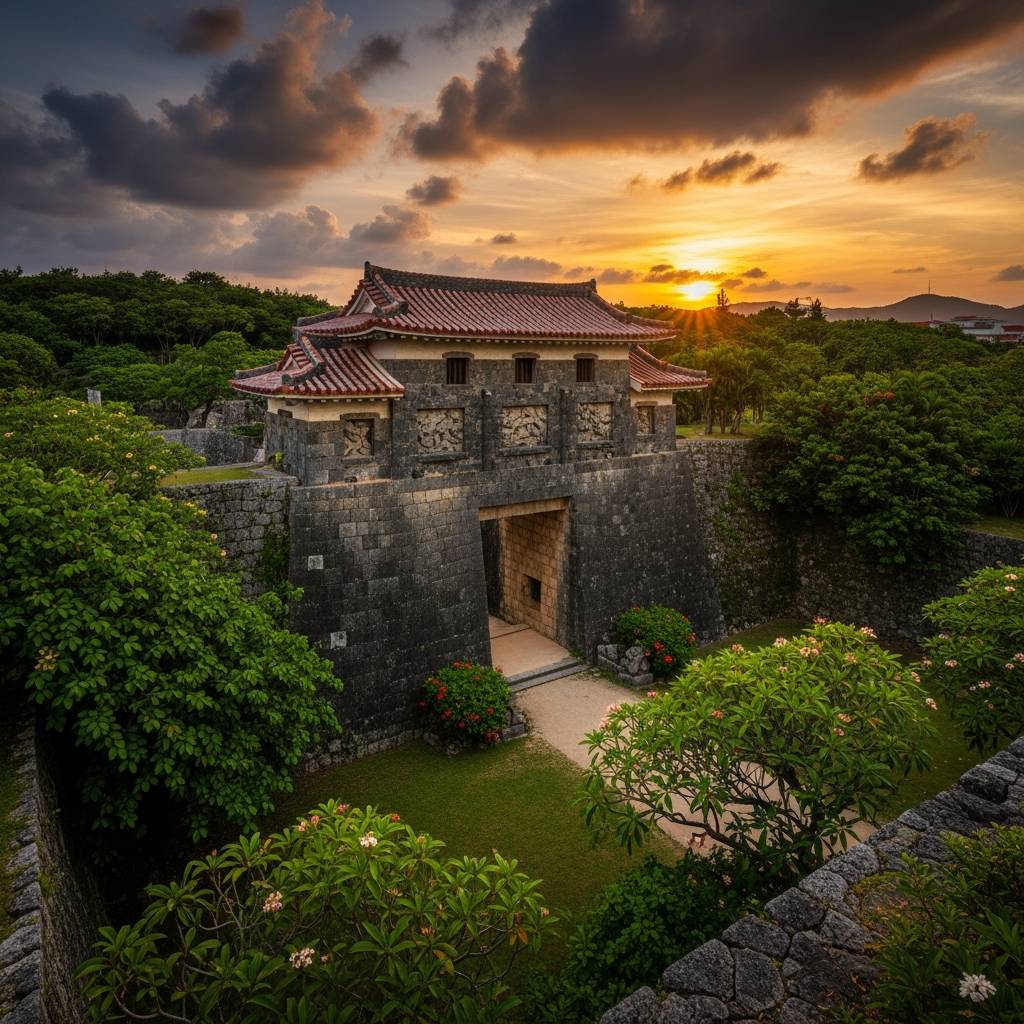
Are you planning your next journey to Japan but looking beyond the typical Tokyo-Kyoto route? Discover the enchanting world of Okinawa’s cultural heritage—a treasure trove of ancient castles, sacred sites, and royal monuments that tell the fascinating story of the once-independent Ryukyu Kingdom. While many travelers know Okinawa for its pristine beaches and crystal-clear waters, the island prefecture harbors centuries of rich history waiting to be explored. From the majestic stone walls of Shuri Castle to the mysterious power spots of traditional sacred groves, Okinawa’s UNESCO World Heritage sites offer a glimpse into a distinct cultural identity shaped by influences from China, Southeast Asia, and mainland Japan. This comprehensive guide will take you through the most significant historical landmarks across the Okinawan archipelago, revealing hidden gems that many visitors miss and providing practical tips to make your cultural exploration both meaningful and memorable. Whether you’re a history enthusiast, a photography lover, or simply seeking authentic travel experiences, join us on this journey through time to discover the spiritual and royal legacy of the Ryukyu civilization.
1. Unveiling the Ancient Treasures: A Complete Guide to Okinawa’s UNESCO World Heritage Sites
Okinawa’s cultural landscape tells a story unlike any other in Japan. The island prefecture, once the independent Ryukyu Kingdom, houses remarkable UNESCO World Heritage sites that offer visitors a glimpse into its fascinating past. These sites, collectively known as “Gusuku Sites and Related Properties of the Kingdom of Ryukyu,” were inscribed on the World Heritage List in December 2000, recognizing their outstanding universal value.
Shuri Castle stands as the crown jewel among these treasures. This vermilion palace once served as the royal court and administrative center of the Ryukyu Kingdom for over 400 years. Though the main buildings were tragically lost in a fire, restoration work continues, and visitors can still explore the magnificent stone walls, gates, and gardens that reflect the kingdom’s unique architectural style—a fascinating blend of Chinese, Japanese, and indigenous Ryukyuan influences.
Beyond Shuri Castle, Nakijin Castle offers equally impressive historical insights. These massive stone walls, stretching over 1.5 kilometers, protected the northern kingdom during the Three Kingdoms period of Okinawan history. The site provides breathtaking panoramic views of the East China Sea, particularly stunning during early February when cherry blossoms transform the ruins into a pink wonderland.
Zakimi Castle in Yomitan represents another engineering marvel with its perfectly cut stones assembled without mortar—a testament to the sophisticated masonry techniques of 15th-century Ryukyu. The castle walls follow the natural contours of the hill, creating an organic fortification that has withstood centuries of typhoons.
For spiritual exploration, Seifa Utaki represents the most sacred site in indigenous Ryukyuan religion. This natural formation of limestone rocks and lush forest served as the primary place of worship for the kingdom’s priestesses. Walking through its stone pathways and prayer spaces offers a profound connection to the animistic traditions that still influence Okinawan culture today.
When planning your heritage journey, consider visiting during weekday mornings to avoid crowds. The Okinawa Monorail (Yui Rail) provides convenient access to Shuri Castle, while rental cars are recommended for exploring the more remote sites. The comprehensive “Heritage Pass” offers admission to all major UNESCO sites at a discounted rate and is available at any of the locations.
Each site tells a different chapter of Ryukyu’s story—from its strategic importance along ancient maritime trade routes to its unique religious practices and political structures. Together, they present a cultural landscape where Eastern and Western influences merged into something entirely distinct, creating the foundation for Okinawa’s enduring cultural identity.
2. Sacred Stones and Royal Tombs: 10 Must-Visit Historical Sites in Ryukyu Kingdom
The ancient Ryukyu Kingdom’s spiritual and political legacy lives on through its remarkable historical sites scattered across Okinawa. These sacred locations offer travelers a profound glimpse into a unique island culture that flourished through international trade and distinctive spiritual practices. Here are ten essential historical sites that showcase the rich tapestry of Ryukyuan heritage, each telling a story of royal power, indigenous beliefs, and cultural resilience.
Shuri Castle (首里城) stands as the crown jewel of Ryukyuan architecture, despite its repeated reconstruction after war damage. This UNESCO World Heritage site served as the political and cultural center of the kingdom for over 400 years. The vibrant vermilion structures contrast dramatically with mainland Japan’s subdued temple aesthetics, reflecting Chinese and Southeast Asian influences through elaborately carved dragon pillars and distinctive curved rooflines.
Tamaudun Royal Mausoleum (玉陵) near Shuri Castle housed the remains of Ryukyuan royalty for centuries. This stone mausoleum complex features three distinct chambers: the central vault for kings, the eastern chamber for queens and royal children, and the western chamber where remains were prepared through the traditional bone-washing ritual known as “senkotsu.”
Sonohyan-utaki Stone Gate (園比屋武御嶽石門) represents the kingdom’s unique spiritual practices. This sacred gate marked the entrance to a royal prayer site where kings would worship before journeys. The intricately carved coral limestone structure demonstrates the seamless integration of political and religious authority in Ryukyuan society.
Nakijin Castle (今帰仁城) in northern Okinawa stands as a testament to the earlier kingdoms that preceded unified Ryukyu rule. Its massive limestone walls, built without mortar yet standing for centuries, showcase remarkable engineering skills. The castle becomes particularly enchanting during cherry blossom season when pink flowers contrast against ancient gray stones.
Sefa-utaki (斎場御嶽), the most sacred site in traditional Okinawan religion, features natural rock formations believed to connect the mortal and divine worlds. Located in southern Okinawa, priestesses conducted rituals here, and its triangular spiritual opening toward Kudaka Island (believed to be the birthplace of Okinawan culture) still evokes profound reverence among visitors.
Zakimi Castle (座喜味城) showcases the remarkable stonework of master craftsman Gosamaru. Its precisely fitted stones create defensive walls that have withstood centuries of typhoons and warfare, offering panoramic views of the surrounding countryside and demonstrating advanced military engineering.
Katsuren Castle (勝連城) sits dramatically on a limestone ridge overlooking the East China Sea. Archaeological excavations here revealed Portuguese coins and Chinese artifacts, confirming historical accounts of Ryukyu’s extensive maritime trade networks connecting East and Southeast Asia.
Tamagusuku Castle (玉城城) ruins offer some of the island’s most spectacular coastal views. This strategic fortress controlled important agricultural lands and coastal access, with its remaining stone foundations revealing the kingdom’s sophisticated understanding of defensive positioning.
Urasoe Yodore (浦添ようどれ) serves as the ancient royal tombs predating the unified Ryukyu Kingdom. These cave-like chambers carved into limestone cliffs housed the remains of early kings and continue to be sites of spiritual significance for local communities.
Nakagusuku Castle (中城城), another masterpiece attributed to Gosamaru, features multiple baileys and sophisticated defensive designs. Its architectural complexity earned recognition from a visiting Chinese envoy who declared it a masterwork of castle construction. Today, visitors can wander through its remarkably preserved stone corridors while contemplating the strategic genius behind its layout.
These ten historical sites offer more than mere tourist attractions—they provide windows into a distinctive island civilization that maintained its unique cultural identity despite powerful external influences. By exploring these sacred stones and royal tombs, travelers connect with the enduring spirit of the Ryukyu Kingdom, whose cultural legacy continues to shape Okinawan identity today.
3. Beyond the Beaches: Exploring Okinawa’s Spiritual Heritage and Forgotten Castles
While Okinawa’s pristine beaches often steal the spotlight, the island’s true cultural treasures lie inland among ancient stone castles and sacred groves. The UNESCO-designated gusuku sites represent the sophisticated Ryukyu Kingdom civilization that flourished between the 12th and 17th centuries, offering visitors a profound connection to a unique cultural heritage that differs markedly from mainland Japan.
Shuri Castle, though tragically damaged by fire, remains the crown jewel of Okinawa’s historical landscape. Its vermilion facades and distinctive architectural style blend Chinese, Japanese, and indigenous Ryukyuan elements, creating a visual testament to the kingdom’s role as a cultural crossroads. The castle’s ongoing restoration allows visitors to witness living history as craftspeople employ traditional techniques to rebuild this symbol of Okinawan identity.
Less frequented but equally compelling are sites like Nakijin Castle, whose massive limestone walls snake across a forested hillside offering panoramic ocean views. The spring cherry blossoms here bloom earlier than anywhere else in Japan, creating a magical landscape where pink petals contrast against ancient gray stone. Nearby, Zakimi Castle’s well-preserved walls demonstrate the impressive engineering skills of master stonemason Gosamaru, whose legacy is visible across multiple gusuku sites.
Okinawa’s spiritual landscape is equally captivating. Utaki, sacred forest groves, dot the island, serving as places of worship in the indigenous animistic faith. Sefa Utaki, the most significant of these sites, features natural stone formations that create cathedral-like spaces where priestesses once conducted ceremonies. Walking through its paths, visitors often describe a palpable sense of reverence that transcends religious boundaries.
For those seeking deeper understanding, the recently expanded Okinawa Prefectural Museum in Naha offers comprehensive exhibits on Ryukyuan culture, including artifacts recovered from castle sites and displays explaining the complex belief systems that shaped Okinawan spirituality. The museum provides crucial context that enhances visits to the historical sites themselves.
Local guides with ancestral connections to these sacred places offer invaluable insights unavailable in guidebooks. Companies like Okinawa Cultural Heritage Tours employ guides trained in both historical knowledge and traditional storytelling techniques, creating immersive experiences that connect visitors to the island’s soul beyond its surface beauty.
For photography enthusiasts, these historical sites offer compelling subjects beyond the typical beach shots. The dramatic play of light through Sefa Utaki’s stone formations and the geometric patterns of castle walls against tropical vegetation provide unique opportunities for memorable images. Morning visits are recommended not just to avoid crowds but to capture the golden light that transforms these ancient stones.
Okinawa’s cultural heritage sites tell a story of resilience through centuries of trade, war, and cultural exchange. By venturing beyond the beaches to explore these sacred places, travelers gain a deeper appreciation of the Ryukyu Kingdom’s legacy and its continued influence on modern Okinawan identity—a journey through time that complements perfectly the natural paradise that first draws visitors to these shores.
沖縄のレンタカー予約は「レンタカー広場」
レンタカー広場で最高の旅の思い出を!
レンタカーの予約はこちらから↓
・沖縄の格安レンタカーが最安値「1,500円~」予約・比較はレンタカー広場がおすすめ
https://rentacar-hiroba.com/