

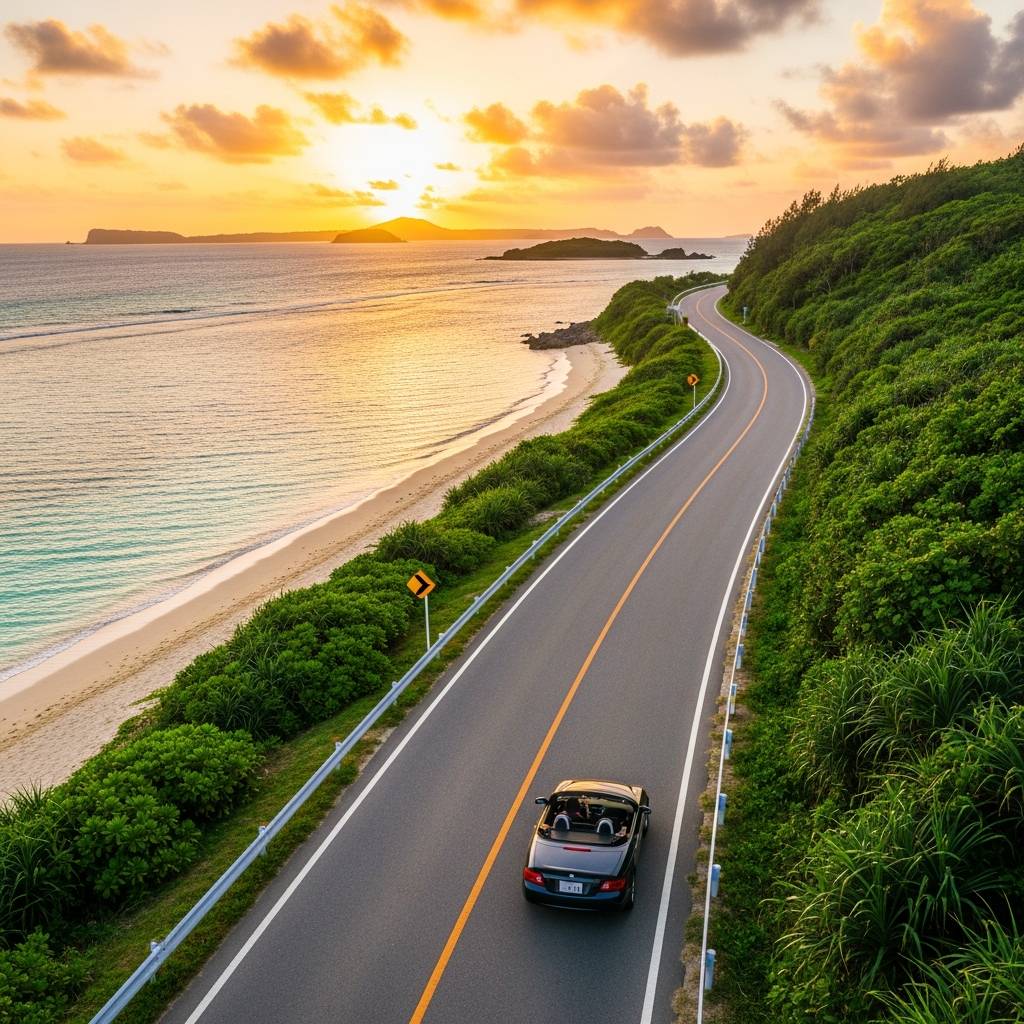
Are you planning a trip to the tropical paradise of Okinawa? While many travelers rely on public transportation or expensive taxis, there’s a secret to truly experiencing everything this stunning Japanese island has to offer: renting a car. As someone who has explored every corner of Okinawa’s winding coastal roads and hidden mountain paths, I can confidently say that having your own vehicle transforms an ordinary vacation into an extraordinary adventure.
Okinawa’s most breathtaking spots—from secluded beaches with crystal-clear waters to ancient cultural sites nestled in lush forests—often lie far from the typical tourist routes. In this comprehensive guide, I’ll reveal local knowledge about accessing these hidden gems, explain why Okinawa’s public transportation system might leave you stranded, and break down the surprising economics of car rental versus other transportation options.
Whether you’re a budget traveler looking to maximize your experience or a luxury seeker wanting the freedom to explore on your own schedule, this article will show you why an Okinawa road trip should be at the top of your travel bucket list. Let’s discover how four wheels can unlock the true magic of Japan’s island paradise.
1. 10 Hidden Gems in Okinawa Only Accessible by Car: A Local’s Guide
While the main attractions of Okinawa draw millions of tourists each year, the true magic of this tropical Japanese paradise lies in its remote corners, accessible only with your own set of wheels. Beyond the crowded beaches of Naha and the tourist-heavy American Village, a secret Okinawa awaits those adventurous enough to rent a car and explore.
First on any explorer’s list should be Hiji Falls in Kunigami, northern Okinawa. This magnificent waterfall requires a 45-minute hike through lush forest, but the reward is worth every step. Without a car, reaching even the trailhead is nearly impossible as public transportation is scarce in this region.
The secluded beaches of Kume Island offer pristine white sand and crystal-clear waters without the crowds. Hatenohama Beach, often called “Heaven’s Road,” stretches as a narrow sandbar with ocean on both sides and is consistently ranked among Japan’s most beautiful beaches. You’ll need to drive to the ferry port and then take a boat, making this a true hidden gem.
For history buffs, the Nakagusuku Castle ruins provide a less-visited alternative to the more famous Shuri Castle. Designated as a UNESCO World Heritage site, these 15th-century ruins offer spectacular views of both the Pacific Ocean and East China Sea from its elevated position, with far fewer tourists crowding your photos.
On Okinawa’s rugged east coast, Cape Hedo stands as the northernmost point of the main island. The dramatic cliffs and panoramic ocean views make it a photographer’s dream, particularly at sunrise. The winding coastal drive to reach it is half the experience.
Yonehara Beach on Ishigaki Island represents the perfect escape for snorkeling enthusiasts. The vibrant coral reef just offshore hosts an incredible diversity of marine life. While Ishigaki has its own rental car options, bringing a car from the main island via ferry allows greater flexibility.
The mysterious limestone formations of Gangala Valley near Okinawa World offer an underground wonderland rarely explored by foreign visitors. The guided tours through ancient cave systems reveal evidence of human habitation dating back 20,000 years. The limited parking means having your own transportation is essential.
Food lovers shouldn’t miss the tiny roadside restaurant Cafe Garamanjaku in the rural town of Kin. Their Okinawan-style taco rice and homemade Shikuwasa (Okinawan lime) juice have developed a cult following among locals. Without GPS and a rental car, you’d likely never find this culinary treasure.
For a truly spiritual experience, the sacred Sefa-utaki grove in Nanjo City offers a glimpse into indigenous Ryukyuan beliefs. This UNESCO site served as the most sacred prayer ground in the Ryukyu Kingdom, and its stone formations create natural “chambers” that produce unique acoustic effects during traditional chants.
Finally, the abandoned Gushikawa Castle ruins provide both historical significance and breathtaking views. Perched on a rocky outcrop overlooking the sea, these lesser-known ruins require a short hike up uneven terrain, but the reward is absolute serenity as you’ll likely have the entire site to yourself.
Okinawa’s public transportation simply can’t compete with the freedom of a rental car when it comes to discovering these hidden treasures. The island’s true character reveals itself on the back roads and in the remote villages far from the standard tourist itinerary. For travelers seeking authentic experiences, renting a car isn’t just convenient—it’s essential for unlocking Okinawa’s most magical spots.
2. Why Public Transportation Falls Short: How a Rental Car Transforms Your Okinawa Experience
Okinawa’s public transportation system, while functional in urban centers like Naha, simply doesn’t provide the comprehensive coverage needed for truly exploring this magnificent island. The bus network primarily serves main routes, with limited frequency and operating hours that can quickly turn your dream vacation into a logistical nightmare. Many travelers report spending precious vacation time waiting at bus stops or missing attractions entirely due to inconvenient schedules.
Unlike Tokyo or Osaka with their extensive train networks, Okinawa lacks a comprehensive rail system. The Yui Rail (monorail) only covers a small portion of Naha city, leaving the rest of the island’s treasures accessible primarily by road. This infrastructure reality means visitors relying solely on public transportation often experience only a fraction of what Okinawa offers.
The most compelling beaches, hidden waterfalls, and authentic local villages exist well beyond the reach of bus routes. Cape Manzamo’s dramatic cliffs, the pristine shores of Emerald Beach, and the cultural wonders of Ryukyu Village become easily accessible with a rental car. What’s more, the spontaneous discoveries—a family-run restaurant serving the freshest seafood or a secluded cove with perfect snorkeling conditions—are typically found off the beaten path.
Time efficiency becomes another crucial factor. A journey that might take 30 minutes by car could require multiple bus transfers and several hours of travel time. During peak tourist seasons, buses can become crowded, making the experience even less comfortable, especially when traveling with luggage or beach equipment.
Weather considerations further highlight the advantage of having your own vehicle. Okinawa experiences sudden tropical showers, and waiting for buses in these conditions can quickly dampen your spirits. With a rental car, you can adjust your itinerary on the fly, perhaps heading to indoor attractions like the Okinawa Churaumi Aquarium when rain appears, then quickly returning to outdoor activities when skies clear.
The freedom to create your own schedule, without being constrained by bus timetables, transforms your Okinawa experience from a series of planned stops into a genuine adventure of discovery. You gain the ability to linger longer at places that capture your interest and bypass those that don’t, crafting a personalized journey through this tropical paradise that simply isn’t possible when dependent on public transportation.
3. Cost Comparison: Rental Cars vs. Taxis in Okinawa (You’ll Be Surprised!)
When planning your Okinawa adventure, transportation costs can significantly impact your overall budget. Let’s break down the numbers to see why renting a car might be more economical than you think.
A typical rental car in Okinawa costs between ¥5,000-¥7,000 per day for a standard compact vehicle. For a week-long trip, you’re looking at approximately ¥35,000-¥49,000. This includes unlimited mileage, allowing you to explore every corner of the island without worrying about extra charges.
Now, let’s consider taxi fares. A 30-minute taxi ride in Okinawa typically costs around ¥3,000-¥4,000. If you take just two taxi rides per day (which is modest for active tourists), you’ll spend ¥6,000-¥8,000 daily. Over a week, that adds up to ¥42,000-¥56,000 – potentially more than the entire week’s car rental!
But the comparison becomes even more striking when considering locations. A taxi from Naha Airport to Churaumi Aquarium costs approximately ¥15,000 one-way. The same trip in your rental car costs only the price of gas, roughly ¥1,500-¥2,000 round trip.
Public transportation exists but is limited primarily to Naha City and main tourist areas. The monorail in Naha charges ¥230-¥330 per ride but doesn’t extend to most attractions. Bus services between major tourist spots run infrequently and can cost ¥1,200-¥2,000 for longer routes.
The hidden costs of taxis and public transport extend beyond money – they include waiting time, scheduling limitations, and the inability to stop spontaneously at scenic viewpoints or interesting roadside attractions that Okinawa is famous for.
Many rental companies offer early booking discounts of up to 30% and package deals including insurance and ETC cards for toll roads. Companies like OTS Rent-a-Car and Times Car Rental frequently run promotions for international visitors.
For families or groups, the value proposition becomes even more compelling – the same rental car price accommodates up to 5 passengers, while taxi fares multiply with each additional trip. A family of four taking just a few taxi rides daily could easily spend ¥15,000 or more per day on transportation alone.
The financial advantage of renting a car becomes particularly evident when visiting Okinawa’s northern areas like Yanbaru or remote beaches such as Kouri Island and Okuma Beach, where taxis are scarce and one-way fares can exceed ¥10,000.
When you factor in the convenience, flexibility, and access to off-the-beaten-path locations, renting a car in Okinawa isn’t just cost-effective – it’s an investment in a more authentic and comprehensive island experience.
沖縄のレンタカー予約は「レンタカー広場」
レンタカー広場で最高の旅の思い出を!
レンタカーの予約はこちらから↓
・沖縄の格安レンタカーが最安値「1,500円~」予約・比較はレンタカー広場がおすすめ
https://rentacar-hiroba.com/