

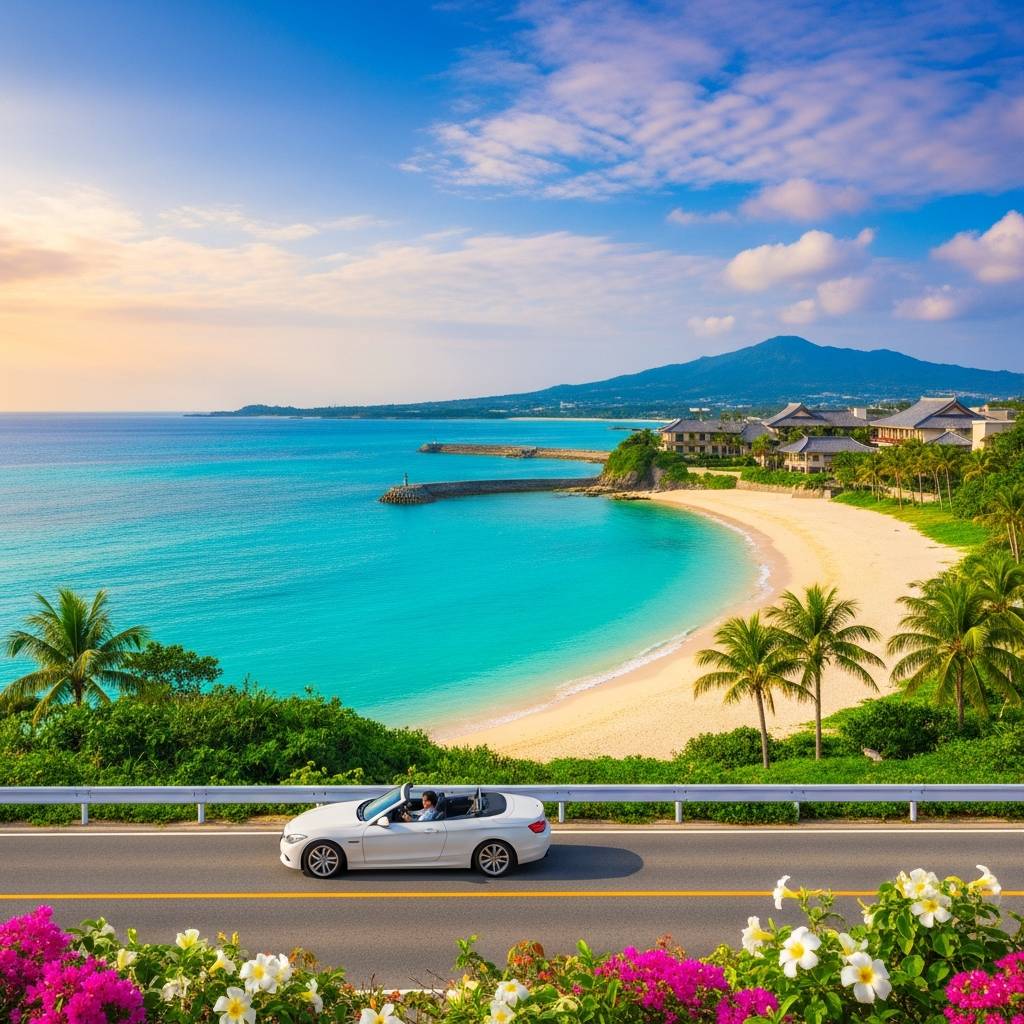
Planning your dream trip to Okinawa? You’ve come to the right place! As Japan’s tropical paradise, Okinawa offers crystal-clear waters, white sandy beaches, and a unique cultural experience unlike anywhere else in the country. However, timing your visit, choosing the right transportation, and finding ideal accommodations can make all the difference between a good vacation and an unforgettable island adventure.
Whether you’re looking to avoid typhoon season, wondering if driving on the left is difficult for tourists, or trying to decide between a beachfront resort or a traditional Okinawan minshuku, this comprehensive guide covers everything you need to know. I’ve compiled insider tips from years of exploration to help you experience the best of these stunning islands without the common pitfalls many first-time visitors face.
Ready to discover when the beaches are least crowded, which coastal roads offer the most breathtaking views, and where to find accommodations that perfectly match your travel style and budget? Let’s dive into the ultimate Okinawa travel guide that will transform your island getaway into the trip of a lifetime.
1. The Best Times to Visit Okinawa: A Month-by-Month Guide to Perfect Weather and Fewer Crowds
Okinawa’s subtropical climate creates a year-round destination with distinct seasonal characteristics that can make or break your vacation experience. Understanding the island’s weather patterns and tourist flows is essential for planning the perfect trip to this Japanese paradise.
January to February offers mild winters with temperatures ranging from 15-20°C (59-68°F). While this period brings the lowest rainfall of the year, it’s too cool for swimming at most beaches. However, these months are ideal for exploring cultural sites like Shuri Castle and the Okinawa World theme park without the crushing summer crowds. Hotel rates drop significantly during this shoulder season, making it a budget-friendly option.
March to April transforms the island with cherry blossoms (sakura) that bloom earlier than mainland Japan, typically in late January through February. Spring brings comfortable temperatures between 20-25°C (68-77°F), with gradually warming waters. This period represents the perfect balance of good weather and manageable crowd levels before the Golden Week holiday rush begins.
May to June introduces the rainy season, locally known as “Tsuyu.” Despite increased precipitation, rain typically falls in short, intense bursts, leaving plenty of sunshine throughout the day. The advantage? Lush landscapes with vibrant tropical flowers and the start of sea turtle nesting season on beaches like Sunayama and Emerald Beach. Accommodation prices remain reasonable during this transition period.
July to August marks peak tourist season with temperatures soaring to 30-34°C (86-93°F). The ocean reaches its warmest temperatures, perfect for snorkeling the Kerama Islands’ coral reefs or diving with manta rays near Ishigaki. While crowds and prices peak during this period, it’s prime time for Okinawa’s famous summer festivals, including the spectacular Eisa dance performances.
September to October offers what many consider the sweet spot for visiting Okinawa. The summer crowds dissipate, typhoon season begins winding down, and temperatures maintain a pleasant 25-30°C (77-86°F). The ocean remains warm enough for water activities, while hiking trails through Yanbaru Forest become more accessible as humidity decreases. Fall brings harvest festivals and cultural events across the island.
November to December delivers mild autumn weather that gradually transitions to winter. The typhoon threat diminishes significantly, and clear skies prevail. While northern Okinawa beaches may become too cool for swimming, the southern beaches often remain viable for water activities. This period offers excellent value for travelers seeking tranquility before the New Year holiday rush begins.
For wildlife enthusiasts, January through March presents the opportunity to witness humpback whale migrations in Okinawan waters, while June through August offers the best conditions for observing colorful tropical fish while snorkeling. Bird watchers should target November through February when migratory species visit the island’s wetlands.
Ultimately, the best time to visit Okinawa depends on your priorities: April-May and September-October offer the ideal balance of good weather, reasonable prices, and manageable crowds. However, each season in Okinawa presents its own unique charm and attractions worth experiencing.
2. Navigating Okinawa: Essential Rental Car Tips and Scenic Drive Routes
Renting a car in Okinawa is virtually essential for exploring this island paradise beyond the main tourist areas. Unlike Tokyo or Osaka, public transportation in Okinawa is limited, making a rental vehicle the most practical choice for discovering hidden beaches, remote viewpoints, and authentic local experiences.
Before reserving your rental car, ensure you have an International Driving Permit (IDP) alongside your home country’s license – this is mandatory for foreign visitors driving in Japan. Major rental companies like OTS Rent-a-Car, Times Car Rental, and Nissan Rent-a-Car offer competitive rates, but booking well in advance is recommended, especially during Golden Week (late April-early May) and summer months when demand peaks dramatically.
Choose a compact car if you’re traveling solo or as a couple – the narrow roads in some villages and limited parking in popular spots make smaller vehicles practical. Families should opt for mid-sized cars with adequate luggage space, particularly if beach equipment is part of your itinerary.
For truly spectacular drives, the coastal road from Naha to Cape Manzamo offers breathtaking ocean views with convenient pull-offs for photos. The Kouri Island route takes you across the picturesque Kouri Bridge, while the eastern coastline drive toward Yanbaru Forest provides a less-touristed but equally stunning landscape.
Navigation is straightforward with English GPS systems now standard in most rental vehicles. However, downloading offline maps as backup is wise, particularly when venturing to remote northern areas where mobile reception can be spotty. Most rental companies also offer portable WiFi devices, worth considering for seamless navigation.
Regarding fuel, regular gasoline stations are abundant in urban areas but become scarcer in northern Okinawa. A practical rule is to refill whenever your tank drops below half when exploring the island’s northern reaches. Many rental companies offer the option to prepay for a full tank, which can be convenient though slightly more expensive.
Parking in Okinawa typically costs between ¥100-500 per hour in tourist areas. Many beaches and attractions have dedicated parking lots, while accommodations often provide free or discounted parking for guests. In Naha and other urban centers, coin parking lots are prevalent but fill quickly during peak hours.
Traffic flows on the left in Japan, and while main roads are well-maintained, village roads can be narrow with blind corners. Drive defensively and be particularly cautious during rainfall, as tropical downpours can reduce visibility significantly. Speed limits are strictly enforced throughout the island, especially near schools and residential areas.
For a truly memorable experience, consider incorporating car rental with ferry transport to explore outlying islands like Tokashiki or Ie. Many rental companies permit vehicles on certain inter-island ferries, offering an opportunity to discover these less-visited gems at your own pace.
3. Where to Stay in Okinawa: Top-Rated Accommodations from Luxury Resorts to Budget-Friendly Options
Choosing the right accommodation in Okinawa can significantly enhance your island experience. The prefecture offers a diverse range of lodging options suited to every traveler’s preferences and budget.
For luxury seekers, The Ritz-Carlton Okinawa provides an unparalleled experience. Located adjacent to the Kise Country Club, this 5-star resort features private balconies with ocean views, a world-class spa, and exceptional dining options. Equally impressive is Halekulani Okinawa in Onna Village, known for its minimalist elegance and extraordinary service on a pristine beachfront setting.
Families often prefer the Sheraton Okinawa Sunmarina Resort, which offers spacious rooms, a children’s pool, and easy beach access. The Hotel Moon Beach provides excellent value with its family-friendly amenities and outdoor activities.
Mid-range travelers can enjoy comfortable stays at places like Vessel Hotel Campana Okinawa, offering convenient locations with modern facilities at reasonable prices. The Hyatt Regency Naha provides urban luxury with easy access to city attractions and shopping districts.
Budget-conscious travelers aren’t left without options. Guest houses like Okinawa Sora House in Naha offer clean, comfortable accommodations with shared facilities. Hotel Stork in Naha provides simple, well-maintained rooms within walking distance of public transportation and local eateries.
For a uniquely Okinawan experience, consider minpaku (private homes) or traditional ryokan accommodations. Nakamura Ryokan offers an authentic Japanese experience with tatami floors and local hospitality.
When booking accommodations in Okinawa, location should be your primary consideration. The main island spans 70 miles, so staying near your planned activities saves travel time. Northern Okinawa (Nago and beyond) is ideal for nature enthusiasts, central Okinawa (Onna Village) caters to beach lovers, while southern Okinawa and Naha city suit urban explorers and history buffs.
During peak seasons (Golden Week, Obon Festival, and cherry blossom season), accommodations fill quickly, so advance reservations—often 3-6 months ahead—are essential to secure your preferred option. Many properties offer significant discounts for early bookings or last-minute deals during the off-season.
With options ranging from international luxury chains to charming local establishments, Okinawa’s accommodation landscape ensures every visitor finds their perfect island home.
沖縄のレンタカー予約は「レンタカー広場」
レンタカー広場で最高の旅の思い出を!
レンタカーの予約はこちらから↓
・沖縄の格安レンタカーが最安値「1,500円~」予約・比較はレンタカー広場がおすすめ
https://rentacar-hiroba.com/