

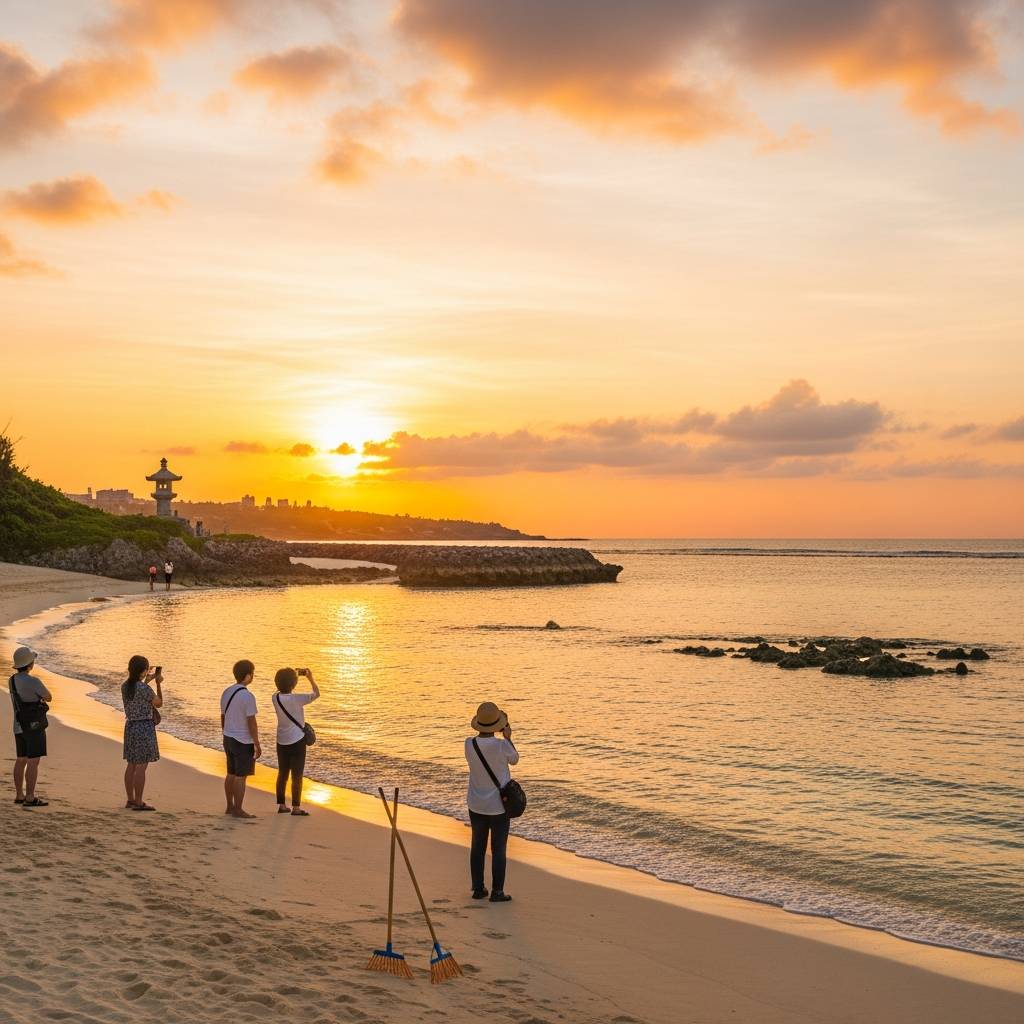
Are you dreaming of watching the sun dip below the horizon on Okinawa’s pristine beaches? You’re not alone. Every year, thousands of travelers flock to this Japanese paradise seeking those picture-perfect sunset moments. However, with increasing tourism comes greater responsibility. This guide explores how to experience the magical Okinawan sunsets while ensuring these natural wonders remain unspoiled for generations to come. From discovering secluded beaches away from the crowds to practical eco-friendly tips that make a difference, we’ll show you how sustainable tourism isn’t just better for the environment—it creates more authentic, meaningful travel experiences. Whether you’re a first-time visitor or a seasoned Okinawa traveler, these insights will help you enjoy the island’s breathtaking coastal beauty responsibly. Join us as we explore the perfect balance between admiring nature’s spectacle and preserving its delicate ecosystem.
1. 5 Ways to Experience Breathtaking Okinawa Sunsets While Protecting the Environment
Okinawa’s legendary sunsets paint the sky in vibrant hues of orange, pink, and purple, creating unforgettable moments for travelers seeking natural beauty. As tourism increases to these pristine beaches, finding ways to enjoy these magical sunset views while preserving the environment becomes essential. Here are five sustainable approaches to experiencing Okinawa’s breathtaking sunset views without leaving a negative impact on this tropical paradise.
First, choose eco-conscious beach locations like Emerald Beach at Ocean Expo Park, which maintains strict environmental protections. The park’s established viewing areas prevent erosion of sensitive dune systems and protect native vegetation. Similarly, Sunset Beach in Chatan offers dedicated platforms that concentrate visitor impact to protected areas while still offering spectacular views.
Second, participate in community beach cleanup efforts before settling in for sunset watching. The NPO Okinawa Ocean Conservation organizes regular cleanup events where visitors can contribute to preserving these beautiful coastlines. Removing plastics and debris not only protects marine life but enhances the natural beauty for everyone to enjoy.
Third, respect local regulations regarding beach access times and protected zones. Many beaches like Aharen Beach on Tokashiki Island have designated nature preservation areas. Staying within permitted areas, especially during turtle nesting season, ensures wildlife can thrive alongside tourism activities.
Fourth, support local businesses that demonstrate environmental responsibility. Cafés like Hammock Café and Lounge near Nirai Beach serve sunset views alongside locally-sourced food in reusable containers. By patronizing establishments that prioritize sustainability, you contribute to a circular economy that protects Okinawa’s natural resources.
Finally, minimize your transportation footprint by using public buses or renting bicycles to reach popular sunset spots. The Yambaru Express Bus provides access to northern beaches with significantly lower emissions than rental cars. Alternatively, companies like Churaumi Cycling offer bicycle rentals that allow you to explore coastal areas without producing carbon emissions.
By adopting these responsible approaches, visitors can experience the magnificent sunset views that make Okinawa famous while ensuring these natural wonders remain pristine for generations to come. The most memorable sunset experiences often come from knowing you’ve helped preserve the very beauty you’ve come to witness.
2. Eco-Friendly Beach Sunset Viewing: A Complete Guide to Responsible Tourism in Okinawa
Okinawa’s breathtaking beach sunsets attract countless visitors each year, but ensuring these natural wonders remain pristine for future generations requires mindful tourism practices. This comprehensive guide explores how to experience Okinawa’s magnificent coastal evenings while minimizing your environmental footprint.
When visiting popular sunset spots like Manza Beach and Sunset Beach in Chatan, always follow established pathways to prevent erosion and damage to fragile coastal vegetation. Many of these beaches have designated viewing areas that help protect the surrounding ecosystem while offering spectacular vantage points. At Kouri Island and Cape Manzamo, stick to marked trails and observation decks specifically designed for visitors.
Bring reusable water bottles and containers for snacks instead of single-use plastics. Local businesses like Umikaji Terrace near Senaga Island offer refill stations and sell eco-friendly souvenirs. Before leaving any beach area, conduct a personal “leave no trace” check—what you bring in should leave with you, including cigarette butts, food wrappers, and beverage containers.
Consider joining organized beach clean-ups with local organizations such as Okinawa Ocean Conservation or Sea Seed Okinawa. These groups regularly host events where visitors can contribute to preserving Okinawa’s coastal beauty while learning about marine conservation from local experts.
Timing your visit thoughtfully helps reduce overcrowding at popular sunset locations. Visit Emerald Beach or Araha Beach on weekdays rather than weekends, or explore less-known spots like Ishikawa Beach or Toguchi Beach. This distributes tourism pressure more evenly across the island’s resources.
Support eco-conscious tour operators like Reef Encounters and Marine Club Busena, which emphasize sustainable practices and contribute to local conservation efforts. These businesses often employ local guides who provide cultural context about Okinawa’s traditional relationship with its coastal environments.
Photography enthusiasts should respect wildlife habitats, especially during nesting seasons for sea turtles. Maintain appropriate distances from all marine life and never use drones in restricted areas or nature preserves like the Kerama Islands.
By embracing these responsible tourism practices, you’ll not only experience the awe-inspiring beauty of Okinawa’s sunset beaches but also help ensure they remain vibrant and healthy for generations to come. Sustainable tourism isn’t just about protecting natural resources—it’s about deepening your connection to these special places through respectful engagement with both the environment and local communities.
3. The Hidden Beaches of Okinawa: Where to Enjoy Spectacular Sunsets Without the Crowds
While Okinawa’s popular beaches like Chatan Sunset Beach and Emerald Beach draw crowds year-round, the island chain harbors numerous secluded shores where visitors can experience magical sunsets in relative solitude. These hidden gems not only offer breathtaking views but also help distribute tourism impact more evenly across the islands.
Kouri Beach, located on Kouri Island and connected to the main island by a scenic bridge, provides spectacular sunset views with its pristine white sand and crystal-clear waters. The beach remains relatively uncrowded, especially during weekdays, creating a perfect setting for mindful sunset appreciation.
In the northern part of Okinawa’s main island, Okuma Beach offers an expansive coastline where visitors can find secluded spots even during peak season. The sunset here reflects beautifully on the East China Sea while Mount Yae creates a stunning silhouette in the background.
For those willing to venture to outer islands, Aragusuku Beach on Miyako Island represents a true hidden paradise. Accessible via a short hike, this beach rewards visitors with unobstructed sunset views and almost complete privacy. The coral formations visible at low tide add another dimension to the sunset experience.
Hatenohama, a remote sandbar off Kume Island, offers perhaps the most exclusive sunset experience in all of Okinawa. Accessible only by boat tour, its limited visitor numbers ensure a peaceful environment. Tour operators like Kume Island Tour Association have implemented strict visitor caps to preserve this fragile ecosystem.
When visiting these hidden beaches, remember to follow leave-no-trace principles. Pack out all trash, avoid disturbing wildlife, and respect local regulations. Many of these locations have limited facilities precisely because they are protected from overdevelopment.
Local conservation groups such as the Okinawa Environmental Club organize beach cleanup events where tourists can participate. Joining these activities provides an opportunity to give back to the natural environments that make these sunset experiences possible.
By venturing beyond the well-known spots, you not only discover more authentic experiences but also help reduce pressure on Okinawa’s most visited beaches. This distributed approach to tourism supports sustainable practices while providing you with memories of spectacular sunsets in tranquil settings that few visitors ever experience.
沖縄のレンタカー予約は「レンタカー広場」
レンタカー広場で最高の旅の思い出を!
レンタカーの予約はこちらから↓
・沖縄の格安レンタカーが最安値「1,500円~」予約・比較はレンタカー広場がおすすめ
https://rentacar-hiroba.com/