

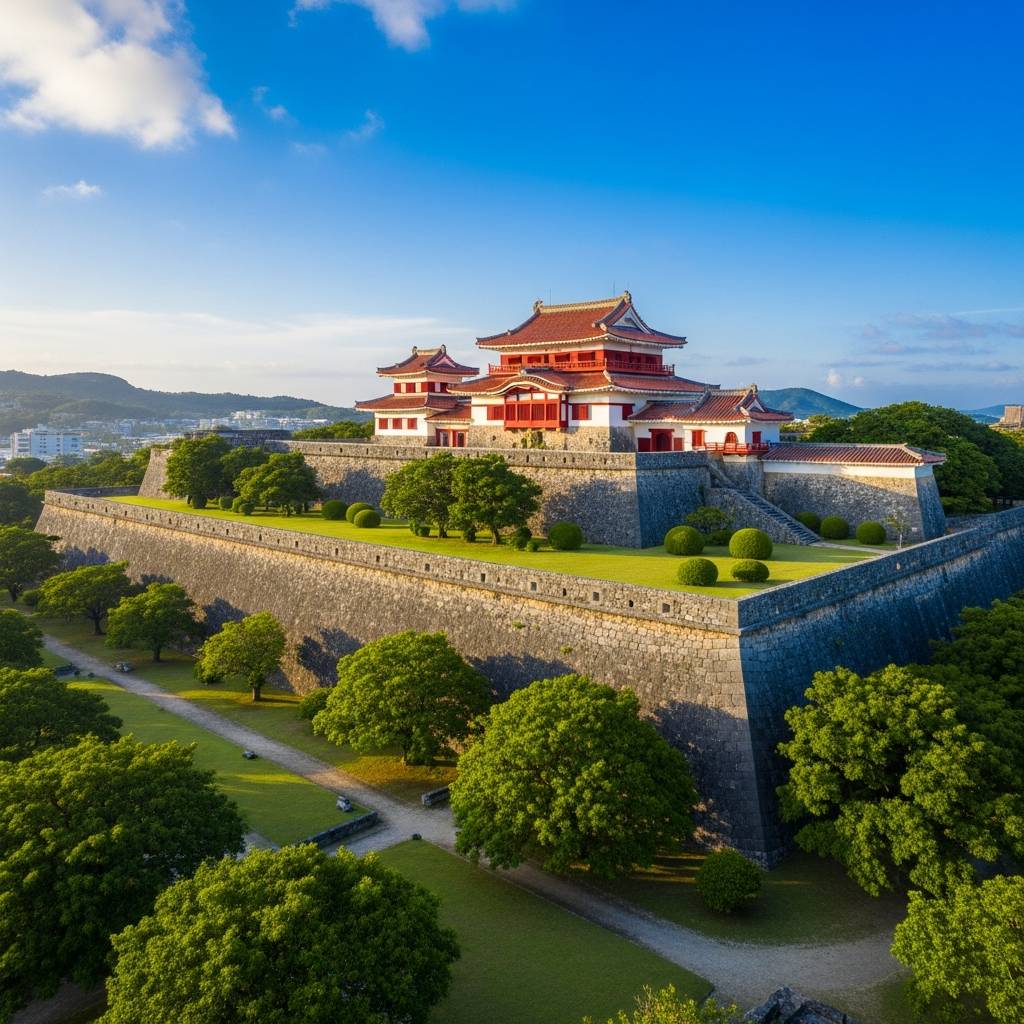
Are you planning a trip to Japan’s tropical paradise? Look no further than Okinawa, home to some of the most magnificent UNESCO World Heritage sites in Asia. While many travelers come for the pristine beaches and crystal-clear waters, the cultural heritage of the Ryukyu Kingdom offers a fascinating glimpse into a unique civilization that flourished for centuries.
In this comprehensive guide, we’ll take you through the ancient stone castles, sacred sites, and historical wonders that earned Okinawa its prestigious UNESCO designation. Whether you’re a history enthusiast, culture seeker, or simply looking to explore beyond the typical tourist attractions, this guide will reveal the profound cultural significance behind these remarkable sites.
From the breathtaking reconstruction of Shuri Castle to lesser-known Gusuku fortresses tucked away in lush landscapes, we’ll share insider tips, historical context, and practical advice to make your heritage exploration in Okinawa truly unforgettable. Join us as we journey through time to discover the soul of the ancient Ryukyu Kingdom and its enduring legacy.
1. Discover Shuri Castle: A Majestic UNESCO World Heritage Site in Okinawa
Standing proudly atop a hill overlooking Naha City, Shuri Castle represents the magnificent cultural heritage of the Ryukyu Kingdom. This UNESCO World Heritage site, first constructed in the late 14th century, served as the royal palace of the Ryukyu Kings for over 450 years. The vermilion-lacquered main hall, known as Seiden, showcases the unique architectural style that blends Chinese, Japanese, and distinctly Okinawan elements.
Visitors are immediately captivated by the castle’s iconic Shureimon Gate, featuring intricate stone carvings and the royal insignia. As you wander through the courtyards and halls, you’ll discover the fascinating history of this independent kingdom that once flourished through maritime trade with China, Japan, Korea, and Southeast Asian nations.
Although the original structures were tragically destroyed during the Battle of Okinawa in World War II, the painstaking reconstruction completed in 1992 allows visitors to experience the grandeur of this cultural treasure. The site includes the main castle buildings, beautiful gardens, and the Shuri Castle Park, which houses artifacts, historical exhibits, and cultural demonstrations.
For an enhanced experience, consider visiting during the early morning hours to avoid crowds and capture stunning photographs in the soft light. The castle’s elevated position offers breathtaking panoramic views of Naha and the surrounding ocean. Don’t miss the traditional Ryukyu dance performances regularly held in the castle grounds, providing insight into Okinawa’s rich cultural traditions.
The castle complex also includes the sacred Sonohyan-utaki Stone Gate and the royal mausoleum Tamaudun, both part of the UNESCO designation. These sites offer a deeper understanding of the spiritual practices and royal customs of the Ryukyu civilization.
2. Top 5 Hidden Treasures of Okinawa’s Gusuku Sites That Most Tourists Miss
While Shuri Castle often steals the spotlight when visitors explore Okinawa’s UNESCO World Heritage sites, the island’s ancient gusuku (castle) network holds numerous lesser-known treasures waiting to be discovered. These hidden gems offer authentic cultural experiences without the crowds that frequent the more popular landmarks. Here are five spectacular yet overlooked spots within Okinawa’s gusuku sites that deserve a place on your itinerary.
First on our list is Nakagusuku Castle, located in central Okinawa. What makes this site special is its remarkably preserved stone walls that showcase the exceptional masonry skills of the Ryukyu Kingdom. The castle complex offers breathtaking panoramic views of both the Pacific Ocean and the East China Sea. Most visitors miss the small prayer spot in the eastern corner where locals still leave offerings – a testament to the site’s continued spiritual significance.
Zakimi Castle in Yomitan presents another overlooked marvel. Unlike other gusuku sites, Zakimi features distinctive arched gates constructed with precisely cut stones – a rare architectural element in Ryukyuan castles. The site museum contains artifacts rarely displayed elsewhere, including original tools used for castle construction and everyday items from castle life. Visit during early morning hours when the light creates stunning shadows across the ancient stonework.
The third hidden treasure is Katsuren Castle, perched dramatically on a limestone ridge. Archaeological enthusiasts will be thrilled to learn this is where ancient Roman coins were discovered in recent excavations, suggesting trade connections far beyond what historians previously understood about the Ryukyu Kingdom. The castle’s unusual peninsula location created a unique defensive strategy worth studying for history buffs.
For photography enthusiasts, Nakijin Castle offers perhaps the most picturesque yet underappreciated gusuku experience. Its massive limestone walls snake along the ridge like a miniature Great Wall of China. What most tourists miss is the special viewing platform at the northwestern corner that perfectly frames the sunset over the East China Sea. During January and February, the castle grounds become an enchanting pink wonderland when the cherry blossoms bloom earlier here than anywhere else in Japan.
Finally, Tamagusuku Castle ruins represent the most serene and contemplative of Okinawa’s heritage sites. Though less structurally intact than other gusuku, its remote hilltop location offers unparalleled solitude and connection with nature. Local guides point out that the distinctive L-shaped inner walls represent an advanced defensive design rarely seen in other castles. The adjacent medicinal herb garden, reconstructed based on historical records, provides insight into traditional Okinawan healing practices.
When exploring these hidden treasures, respect local customs by avoiding climbing on walls, bringing appropriate footwear for uneven terrain, and carrying out all trash. The early morning or late afternoon visits typically offer the best lighting for photography while avoiding the midday heat that can be intense in Okinawa. Consider hiring a knowledgeable local guide who can reveal the stories and significance that you might otherwise miss in these remarkable historical sites.
3. Experience Ancient Ryukyu Kingdom: Complete Itinerary for Okinawa’s World Heritage Spots
Okinawa’s UNESCO World Heritage Sites offer a fascinating glimpse into the rich history of the Ryukyu Kingdom. To fully appreciate these cultural treasures, follow this carefully crafted itinerary that connects all major historical sites while optimizing your time and travel experience.
Begin your heritage journey at Shuri Castle (首里城), the magnificent former palace of the Ryukyu Kingdom. Arrive early around 8:30 AM to avoid crowds and heat. Take approximately 2 hours to explore the reconstructed main hall, state chambers, and surrounding gardens. Don’t miss the ornate Shureimon Gate with its distinctive red tiles and dragon pillars that exemplify Ryukyuan architectural brilliance.
From Shuri Castle, take a short 15-minute walk to Tamaudun Royal Mausoleum (玉陵), where Ryukyuan kings and their families were entombed. This sacred site features three chambers constructed of massive coral stone blocks. Allow 45 minutes to appreciate the solemn atmosphere and historical significance.
For lunch, head to nearby Ashibiuna restaurant, specializing in traditional Okinawan cuisine. Try goya champuru (bitter melon stir-fry) or rafute (stewed pork belly) to sample authentic local flavors.
In the afternoon, visit Sonohyan-utaki Stone Gate (園比屋武御嶽石門), a sacred prayer site used by Ryukyu royalty. Though small, this stone gate represents the unique spiritual traditions that blended indigenous beliefs with imported religious practices.
Continue to Nakijin Castle Ruins (今帰仁城跡) in northern Okinawa. This massive fortress was the seat of power for the northern region before unification. The sprawling limestone walls offer spectacular views of the East China Sea, particularly magnificent during sunset. Budget 1.5 hours for exploration.
Complete your heritage tour at Zakimi Castle (座喜味城跡), known for its distinctive arched gates and beautifully preserved walls. This 15th-century fortress showcases master stonework techniques. The site closes at 6:00 PM, so plan to arrive by 4:30 PM to allow sufficient time.
For transportation between sites, consider renting a car for maximum flexibility. The Yanbaru Express Bus also connects major heritage locations with day passes available. Alternatively, join specialized heritage tours operated by Ryukyu Bus Kotsu, which include informative guides who provide historical context.
Photography enthusiasts should bring polarizing filters to capture the vibrant coral stone structures against Okinawa’s blue skies. The best lighting conditions occur during early morning and late afternoon, particularly at Shuri Castle and Nakijin ruins.
When visiting these sacred spaces, observe proper etiquette by speaking quietly, staying on designated paths, and refraining from touching ancient structures. Traditional beliefs still hold strong among local communities who maintain spiritual connections to these ancestral sites.
Each World Heritage location charges separate admission fees ranging from 300-800 yen. Consider purchasing the “Okinawa Heritage Pass” available at the Naha Tourist Information Center, which offers discounted entry to all sites and includes an informative guidebook in multiple languages.
By following this itinerary, you’ll gain profound insight into the sophisticated civilization that flourished independently in the Ryukyu archipelago, bridging Japanese, Chinese and Southeast Asian cultures through centuries of maritime trade and diplomatic relations.
沖縄のレンタカー予約は「レンタカー広場」
レンタカー広場で最高の旅の思い出を!
レンタカーの予約はこちらから↓
・沖縄の格安レンタカーが最安値「1,500円~」予約・比較はレンタカー広場がおすすめ
https://rentacar-hiroba.com/