

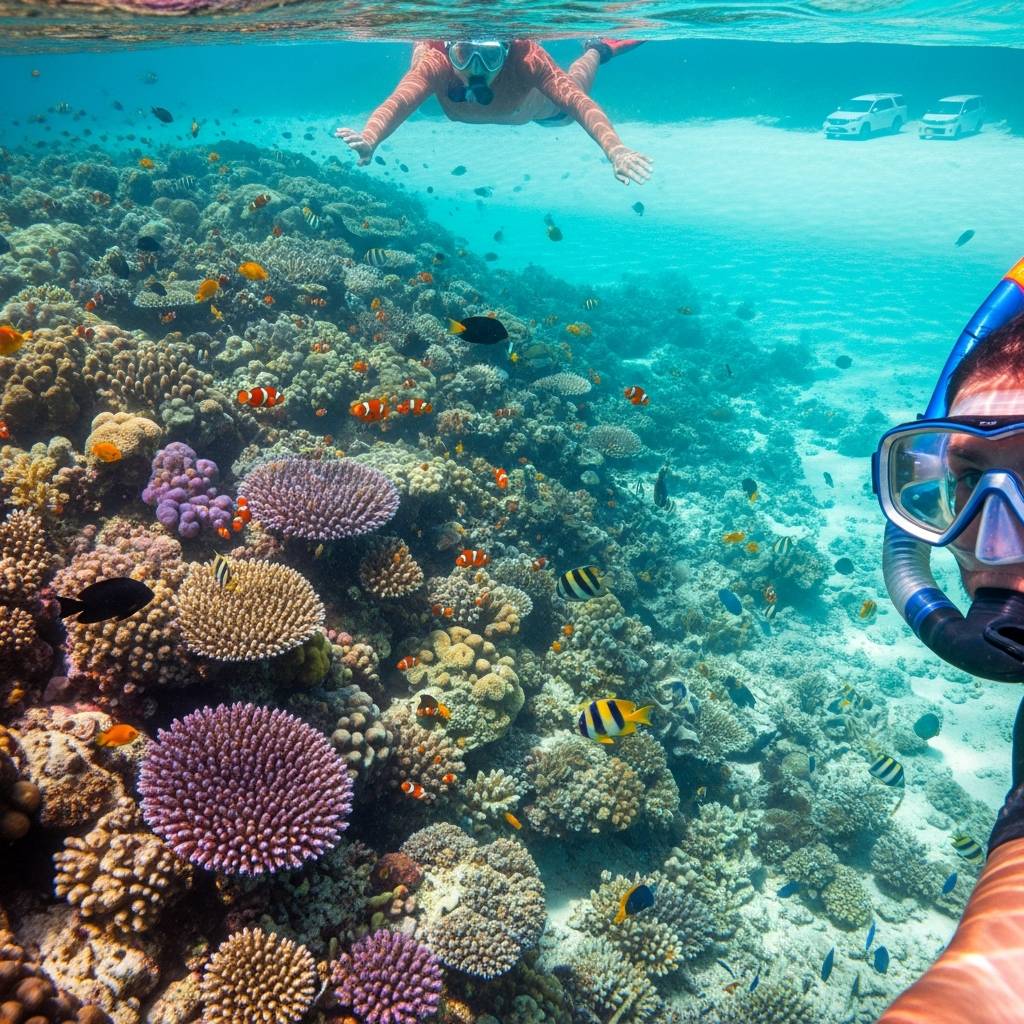
Are you dreaming of exploring crystal-clear turquoise waters teeming with vibrant coral reefs and tropical fish? Okinawa, Japan’s southernmost prefecture, offers some of the most spectacular snorkeling experiences in Asia – and many of the best spots are only accessible when you have the freedom of a rental car. Unlike the crowded tourist areas, these hidden gems allow you to experience the true underwater magic of Okinawa at your own pace. In this comprehensive guide, we’ll reveal exclusive snorkeling paradises that most tourists never discover, provide a detailed road trip itinerary combining aquatic adventures with authentic local experiences, and share expert tips for planning your self-driven underwater journey through this Japanese island paradise. Whether you’re a snorkeling enthusiast or a first-timer looking to explore beneath Okinawa’s pristine waters, this guide will help you create unforgettable memories while avoiding the common pitfalls of traveling in this tropical wonderland. Grab your mask, fins, and car keys – your ultimate Okinawa snorkeling adventure awaits!
1. Top 10 Hidden Snorkeling Paradises in Okinawa Only Accessible by Car
Discovering Okinawa’s underwater world becomes a true adventure when you have the freedom of a rental car. While popular beaches attract crowds, these hidden snorkeling paradises offer pristine waters and vibrant marine life for those willing to venture off the beaten path. Here are the top 10 secret snorkeling spots that require wheels to reach:
Cape Maeda’s Blue Cave might be famous, but the lesser-known “Mini Blue Cave” just 2km north offers similar azure waters without the tourist boats. Park at the small gravel lot and follow the unmarked trail down to crystal waters teeming with angelfish and parrotfish.
Odo Beach near Itoman City rewards the determined explorer with a secluded bay protected by natural rock formations. The shallow coral gardens host dozens of clownfish colonies and vibrant sea anemones. The unmarked turnoff from Route 331 makes having your own vehicle essential.
Minna Island’s eastern shore features an underwater limestone labyrinth where sea turtles regularly feed. Take the ferry from Toguchi Port (accessible only by car) and snorkel directly from the less-visited eastern beaches.
Sesoko Island’s secret cove requires a short drive across the bridge from the main island, followed by a 15-minute walk through coastal forest. The reward? A secluded inlet with visibility often exceeding 30 meters and schools of tropical fish darting between pristine coral formations.
Yonaha Maehama Beach on Miyako Island demands a longer drive, but delivers with its impossibly clear waters and gently sloping sandy bottom. Perfect for beginners while still offering deeper channels where manta rays occasionally glide by.
Ara Beach near Kunigami remains unknown to most tourists. The winding mountain road deters tour buses, preserving this spot’s spectacular coral diversity and the resident pod of spinner dolphins that frequently visits the bay.
Hatenohama sandbar, accessible only by boat from Kume Island, requires first driving to the island’s small port. The effort pays off with three kilometers of uninhabited white sand surrounded by 50 shades of blue and coral gardens teeming with marine life.
Nagamahama Beach on Kouri Island requires crossing the picturesque bridge by car, then finding the unmarked trail behind the small shrine. The sheltered lagoon features remarkable table coral formations and frequent visits from sea turtles.
Ikei Island’s eastern reef can only be reached by driving across three connected bridges from Okinawa’s main island. The journey ends at a small fishing village where locals can point you to the entry point for a spectacular drift snorkel along vibrant coral walls.
Ogami Island off Miyako’s northern shore demands both a rental car and a small chartered boat from the fishing village. This extra effort rewards snorkelers with pristine waters that local marine biologists monitor as a benchmark for reef health throughout the region.
Each of these destinations offers unique underwater landscapes that remain protected by their relative inaccessibility. Renting a car transforms your Okinawa snorkeling experience from ordinary to extraordinary, revealing marine treasures that most visitors never discover.
2. The Ultimate Okinawa Road Trip: Combining Pristine Snorkeling Sites with Local Treasures
Exploring Okinawa’s underwater paradise becomes truly magical when you have the freedom of your own rental car. The island’s coastal treasures often lie beyond the reach of public transportation, making a well-planned road trip essential for snorkeling enthusiasts. Begin your aquatic journey at Cape Maeda, home to the famous Blue Cave. Arrive early (before 8 AM) to avoid crowds and experience crystal-clear visibility as sunlight creates mesmerizing blue reflections throughout the limestone formation.
From there, drive approximately 30 minutes north to Onna Village, where Manza Beach offers a perfect combination of resort amenities and diverse marine ecosystems. The beach’s protected cove creates ideal conditions for beginners while still harboring enough biodiversity to keep experienced snorkelers engaged. Look for the vibrant parrotfish and elegant sea turtles that frequent these waters.
As you continue your coastal expedition, make time for Kouri Island, connected to the main island by a scenic 2-kilometer bridge. The island’s east side features Tinu Beach, a hidden gem with minimal crowds and pristine coral formations. Pack a picnic lunch from the roadside markets along Route 58 to enjoy between snorkeling sessions.
For those willing to venture further, the Kerama Islands present perhaps the most spectacular snorkeling in all of Japan. While accessible as a day trip from Naha, staying overnight allows you to maximize your experience. Zamami Island’s Furuzamami Beach consistently ranks among Japan’s best beaches, with water visibility often exceeding 25 meters and coral reefs teeming with over 200 fish species.
Between snorkeling spots, enhance your journey by stopping at local attractions. Visit the Okinawa World cultural theme park to explore Gyokusendo Cave, one of Japan’s largest limestone caves. The nearby Shuri Castle provides historical context for understanding Okinawan culture before you continue your coastal adventure.
The beauty of an Okinawa snorkeling road trip lies in its flexibility. Unexpected weather changes? Simply adjust your itinerary to visit the indoor Churaumi Aquarium or explore the traditional craft villages of Yomitan. Having your own vehicle means you can chase the best conditions, visit remote beaches during off-peak hours, and transport your snorkeling gear effortlessly throughout your journey.
Remember that Okinawa’s marine environments are fragile ecosystems. Choose snorkeling spots with responsible operators who emphasize conservation, use reef-safe sunscreen, and never touch or stand on coral formations. With thoughtful planning and environmental awareness, your Okinawa road trip will deliver unforgettable underwater experiences while preserving these natural wonders for future generations.
3. Snorkeling Okinawa: How to Plan the Perfect Self-Driven Underwater Adventure
Planning your own snorkeling adventure in Okinawa offers incredible freedom to explore hidden underwater paradises at your own pace. With crystal clear waters hosting some of Japan’s most diverse marine ecosystems, a self-driven tour is the ultimate way to experience multiple snorkeling spots in one trip. Here’s how to plan the perfect underwater adventure with your rental car.
First, timing is everything. The best months for snorkeling in Okinawa are from May to October when water temperatures are comfortable (around 25-30°C) and visibility is optimal. June to August offers the warmest waters, though this coincides with peak tourist season. Consider visiting in May or September for excellent conditions with fewer crowds.
When selecting your snorkeling destinations, create a practical route. The Kerama Islands, Cape Maeda, and Onna Village form a logical northern circuit, while Yonehara Beach, Kabira Bay, and Sukuji Beach make a perfect Yaeyama circuit. Allow 30-45 minutes of driving time between mainland spots, and remember to check ferry schedules if island-hopping.
Essential gear should include quality snorkeling equipment (mask, snorkel, fins), reef-safe sunscreen, a rashguard or wetsuit, water shoes, and a waterproof bag for valuables. Many beaches offer rental services, but bringing your own ensures proper fit and hygiene. Don’t forget to pack towels, drinking water, and snacks for between dives.
Safety must be your priority. Always check local weather forecasts and tide conditions before setting out. Many beaches have warning flags—respect them without exception. Snorkel with a buddy, and inform someone of your itinerary if exploring less populated areas. Keep a first aid kit in your rental car, and save emergency numbers in your phone.
For maximum convenience, choose accommodations central to your planned snorkeling spots. Naha serves as an excellent base for exploring southern Okinawa, while Onna Village positions you perfectly for northern adventures. If your itinerary spans the entire island, consider splitting your stay between two locations to minimize driving time.
A practical daily itinerary might include visiting two snorkeling spots with a lunch break in between. Start early to avoid crowds and afternoon winds that can reduce visibility. Plan to arrive at popular spots like Blue Cave near Cape Maeda before 9 AM to beat tour groups.
To enhance your experience, consider downloading marine life identification apps like “Coral Reef” or “Fish Identifier” before your trip. Local dive shops often offer snorkeling maps highlighting the best entry points and underwater features at each location. The Okinawa Convention & Visitors Bureau website also provides updated information on marine conditions and conservation areas.
Remember that many of Okinawa’s best snorkeling spots are located within marine conservation areas. Practice responsible tourism by never touching coral, maintaining proper distance from marine life, and taking all trash with you. This ensures these underwater treasures remain pristine for future visitors.
沖縄のレンタカー予約は「レンタカー広場」
レンタカー広場で最高の旅の思い出を!
レンタカーの予約はこちらから↓
・沖縄の格安レンタカーが最安値「1,500円~」予約・比較はレンタカー広場がおすすめ
https://rentacar-hiroba.com/