

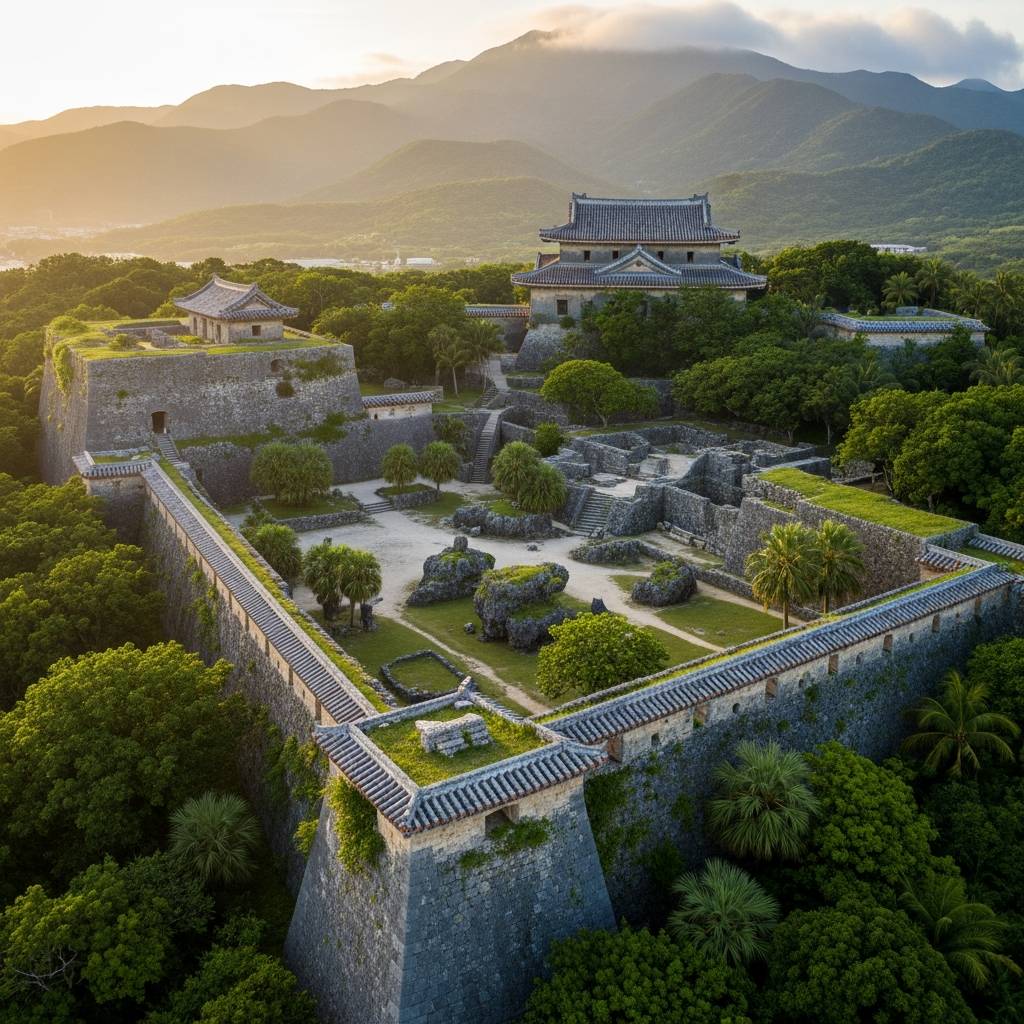
Venture beyond Japan’s familiar tourist destinations and discover the extraordinary cultural treasures of Okinawa—a subtropical paradise where ancient stone castles perch dramatically on cliffside vantages and sacred prayer sites whisper centuries-old spiritual traditions. While many travelers know Japan for its cherry blossoms and bustling metropolises, Okinawa’s UNESCO World Heritage sites offer a completely different historical narrative, one shaped by the independent Ryukyu Kingdom that once flourished here. In this comprehensive guide, we’ll explore magnificent gusuku fortresses that rival Europe’s medieval castles, visit breathtaking spiritual sites where ancient rituals continue today, and uncover hidden stories that bring these remarkable heritage sites to life. Whether you’re a history enthusiast, cultural explorer, or simply seeking extraordinary destinations off the typical Japanese itinerary, Okinawa’s world heritage marvels promise an unforgettable journey through a lesser-known chapter of Asian history.
1. Discover Okinawa’s Gusuku Castles: Ancient Stone Fortresses That Rival Europe’s Best
While Europe boasts of medieval castles and fortresses, Japan’s southernmost prefecture holds architectural treasures that many travelers overlook. Okinawa’s Gusuku castles represent a remarkable engineering achievement that stands proudly against any fortress found across Europe or mainland Asia.
These limestone fortresses, dating back to the 12th-16th centuries, served as centers of political and religious power during the Ryukyu Kingdom era. What makes them truly exceptional is their ingenious construction – massive stone walls built without mortar, perfectly fitted to withstand typhoons and potential invasions for centuries.
Shuri Castle, the most famous gusuku and former royal palace, showcases the distinctive red architecture that differs dramatically from mainland Japan’s building traditions. Though rebuilt several times after war damage, its imposing stone foundations remain original, revealing the true craftsmanship of ancient Ryukyuan builders.
Equally impressive are Nakagusuku Castle, praised by Commodore Perry as “a marvel of engineering,” and Zakimi Castle, with its unique rounded stone walls. Katsuren Castle, dramatically perched on a peninsula, offers breathtaking ocean views that strategic defenders once utilized.
What separates these fortresses from their European counterparts is their integration with the subtropical landscape. Unlike European castles built to dominate surroundings, gusuku were designed in harmony with the natural topography, utilizing the existing hills and rock formations.
Visitors consistently express surprise at the massive scale of these structures. The main wall at Nakijin Castle stretches over 1,500 meters – comparable to many famous European defensive walls – yet built centuries earlier without modern equipment or techniques.
For history enthusiasts and photographers, these UNESCO World Heritage sites offer unparalleled opportunities to experience a lesser-known aspect of Japanese cultural heritage while enjoying the subtropical beauty of Okinawa.
2. Sacred Prayer Sites of Okinawa: Where Spirituality Meets Stunning Ocean Views
Okinawa’s spiritual landscape is dotted with sacred prayer sites that offer both cultural significance and breathtaking coastal scenery. These utaki (sacred prayer sites) represent the indigenous Ryukyuan religion and have been carefully preserved for centuries.
Sefa-utaki, located in Nanjo City, stands as the most revered spiritual site in Okinawa. This UNESCO World Heritage treasure was once the primary religious site where Kikoe-Ogimi (the king’s sister who served as the highest priestess) would conduct rituals. Visitors navigate through a series of stone formations and caves that open dramatically to a view of Kudaka Island—considered the birthplace of Okinawan civilization. The triangular stone altar, set against the backdrop of the Pacific Ocean, creates a meditative atmosphere unlike any other sacred site in Japan.
Another remarkable prayer site is Kudaka Island itself, often referred to as “God’s Island” by locals. A short ferry ride from Okinawa’s main island brings visitors to this spiritual haven where ancient rituals are still performed. The island’s Ishiki Beach features unique star-shaped sand, believed to bring good fortune to those who discover it.
At Cape Zanpa, the Zanpa-misaki Utaki combines dramatic cliff views with spiritual significance. Local residents still visit this site to pray for safety before sea journeys and good fishing harvests. The nearby Zanpa Lighthouse offers additional panoramic views of the East China Sea.
Hamahiga Island hosts the sacred Hamahiga Utaki, allegedly the resting place of the creator deities Shinarikyo and Amamikyo. The serene forest setting leads to limestone caves where ceremonies are still conducted during traditional festival periods.
What makes Okinawa’s sacred sites truly special is their integration with natural landscapes. Unlike mainland Japan’s ornate temples, these prayer sites maintain a raw, unadorned quality that emphasizes connection with nature. Many are positioned strategically along cliffs or facing the sea, creating spiritual spaces that harness the power of Okinawa’s stunning coastal environment.
When visiting these sites, remember they remain active places of worship. Respectful behavior is essential—speaking softly, staying on designated paths, and never removing objects from the sites. Some areas may be restricted to preservation efforts or ongoing ceremonies.
These sacred prayer sites offer a glimpse into Okinawa’s unique spiritual heritage while providing some of the most spectacular views in the archipelago—where ancient beliefs and breathtaking landscapes converge in perfect harmony.
3. Hidden Treasures: The Untold Stories Behind Okinawa’s UNESCO World Heritage Sites
Beyond the postcard-perfect images of Okinawa’s UNESCO World Heritage Sites lie fascinating stories that few visitors ever discover. These ancient structures don’t just represent architectural achievements—they’re repositories of cultural memory, political intrigue, and spiritual significance that bring Okinawa’s complex history to life.
At Nakijin Castle, archaeologists recently uncovered a collection of rare Chinese ceramics buried beneath the central courtyard, suggesting this northern fortress maintained trade connections far more extensive than previously documented. These artifacts, dating to the 14th century, reveal how the independent Ryukyu Kingdom balanced relationships with both China and Japan long before annexation.
Zakimi Castle holds perhaps the most poignant secret among the sites. Within its limestone walls, researchers identified a hidden chamber where royal records were concealed during periods of political upheaval. The chamber, accessible only through a narrow passage behind what appears to be solid wall, protected crucial cultural knowledge during multiple invasions.
At Shuri Castle, despite its devastating fire, ongoing restoration work has revealed original construction techniques previously unknown to historians. Beneath the visible stone foundations lie ingenious drainage systems that helped the structure withstand centuries of tropical storms. These engineering solutions demonstrate a sophisticated understanding of environmental adaptation that modern architects still study today.
The sacred sites of Seifa Utaki contain ancient inscriptions only recently translated, revealing prayers and rituals specifically conducted during astronomical events like solstices and eclipses. These findings connect Okinawan spiritual practices to other ancient cultures worldwide that similarly aligned their religious ceremonies with celestial movements.
Many visitors miss the significance of seemingly minor structures at Nakagusuku Castle, where small stone platforms along the perimeter walls once held signal fires. This sophisticated communication system could transmit messages across the island chain within hours—an early warning network that protected the kingdom from surprise attacks.
Local guides rarely mention that several sites contain hidden tunnels—some natural limestone formations, others human-made—that connected sacred areas to nearby water sources. These passages served both practical purposes during sieges and ceremonial functions during religious observances, demonstrating how Okinawan culture seamlessly integrated practical necessity with spiritual meaning.
For visitors seeking deeper connections to these remarkable places, engaging with local cultural preservation groups offers opportunities to participate in ongoing research projects. These community-led initiatives welcome volunteers to help document oral histories, assist with archaeological surveys, and contribute to conservation efforts that ensure these hidden stories survive for future generations.
沖縄のレンタカー予約は「レンタカー広場」
レンタカー広場で最高の旅の思い出を!
レンタカーの予約はこちらから↓
・沖縄の格安レンタカーが最安値「1,500円~」予約・比較はレンタカー広場がおすすめ
https://rentacar-hiroba.com/