

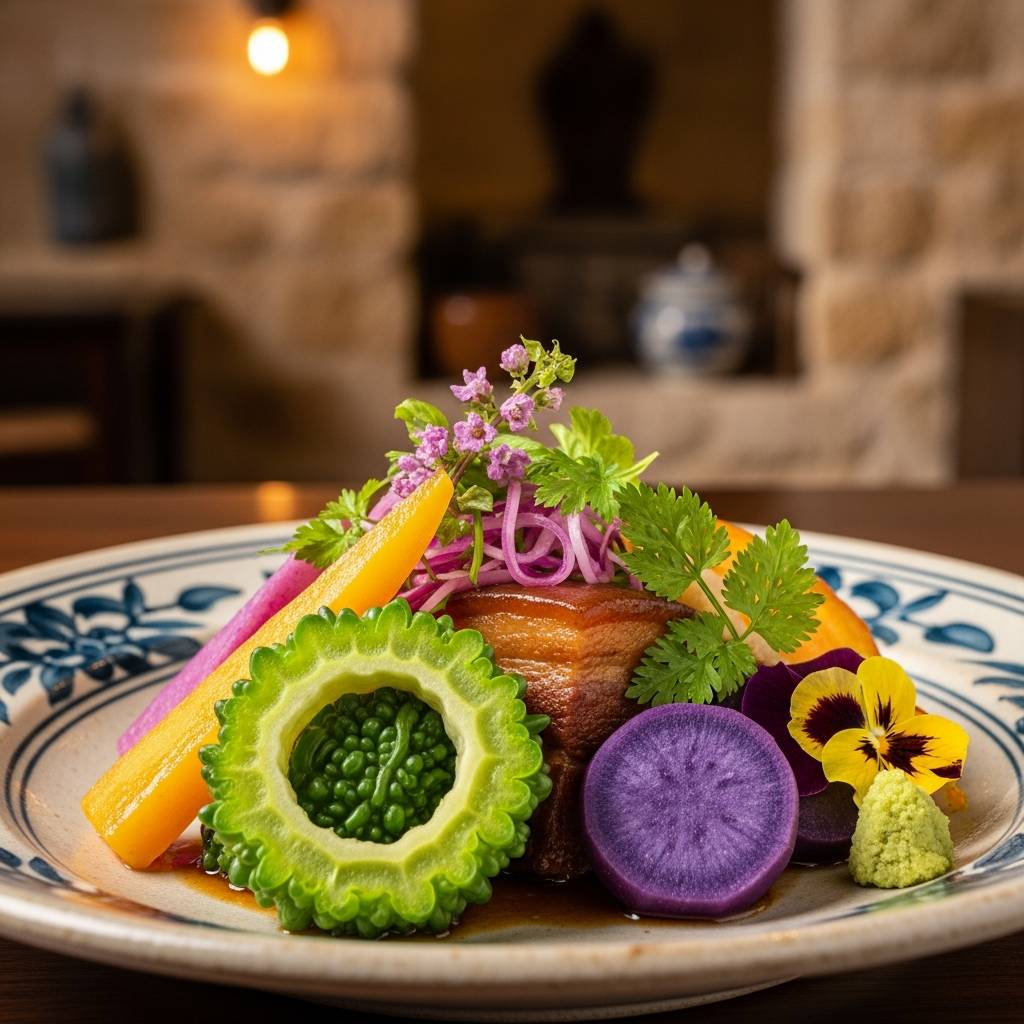
Discover the hidden culinary treasures of Japan’s southernmost prefecture where tradition meets longevity. Okinawan cuisine stands apart from mainland Japanese cooking with its vibrant flavors, unique ingredients, and health-promoting qualities that have helped locals enjoy some of the longest lifespans in the world. In this exclusive exploration, we’ve consulted with renowned chefs who share their professional insights into what makes Okinawan food not just delicious, but potentially life-extending. From transforming bitter vegetables into crave-worthy dishes to sustainable seafood practices that predate modern conservation efforts, this guide unveils cooking techniques that have been perfected over generations yet remain surprisingly unknown outside professional kitchens. Whether you’re a culinary enthusiast seeking new flavors or someone interested in the secrets of healthy eating from one of the world’s Blue Zones, these chef-approved Okinawan recipes and methods offer a fascinating journey into a cuisine that deserves far more recognition on the global stage.
1. Secret Goya Champuru Techniques: How Okinawan Chefs Transform Bitter Melon into Culinary Gold
Goya Champuru stands as the undisputed crown jewel of Okinawan cuisine, a dish that perfectly encapsulates the island’s culinary philosophy of transforming humble ingredients into extraordinary meals. Professional chefs across Okinawa have perfected techniques that turn the intensely bitter goya (bitter melon) into a balanced, crave-worthy dish that continues to captivate both locals and visitors.
The first secret lies in the preparation. Master chefs at renowned establishments like Yunangi in Naha carefully scrape the white pith from inside the bitter melon using a specialized tool called a “goya wata tori.” This critical step removes approximately 40% of the bitterness while preserving the vegetable’s distinctive character and nutritional benefits. The remaining bitterness is considered essential—it’s not about eliminating it completely but taming it to harmonize with other ingredients.
Temperature control represents another crucial technique. The bitter melon must be stir-fried quickly over high heat to seal in flavors while preventing it from becoming mushy. Many Okinawan household cooks make the mistake of cooking goya too slowly, resulting in an overwhelmingly bitter, texturally compromised dish.
The protein component offers endless variations. While thinly sliced pork belly (rafute) represents the traditional choice, experienced chefs often incorporate spam—a legacy of American influence on the island—or firm tofu to create different flavor dimensions. The key is achieving proper caramelization on these proteins before introducing the bitter melon.
The egg technique distinguishes amateur attempts from professional results. Rather than scrambling eggs directly into the mixture, skilled chefs pour beaten eggs around the outer edges of the hot pan, allowing them to set partially before gently folding them into the vegetables. This creates distinctive yellow ribbons throughout the dish rather than a homogeneous coating.
Salt balance constitutes perhaps the most guarded secret. Rather than adding all seasoning at once, Okinawan culinary masters add salt in three stages: lightly salting the bitter melon during preparation, seasoning the proteins separately, and making final adjustments only after the dish has come together. This layered approach creates depth while preventing the salt from drawing out excessive moisture from the goya.
The finishing touch that elevates restaurant-quality Goya Champuru is a sprinkle of katsuobushi (dried bonito flakes). The heat from the dish causes these delicate flakes to dance and impart umami depth that perfectly counterbalances the bitterness. Some innovative chefs have begun incorporating a touch of citrus zest at this stage—typically shikuwasa, Okinawa’s native citrus—to brighten the entire dish.
These techniques reflect Okinawan cuisine’s larger philosophy of balance—embracing bitterness as part of life’s full spectrum of flavors rather than avoiding it entirely. The dish embodies the island’s approach to longevity through diet, with bitter melon providing compounds believed to regulate blood sugar and support metabolic health, contributing to the renowned longevity of Okinawan residents.
Mastering these chef-approved techniques transforms Goya Champuru from a potentially challenging bitter dish into a perfectly balanced celebration of Okinawan culinary wisdom—where bitter notes become intriguing rather than overwhelming, and simple ingredients achieve extraordinary harmony.
2. Beyond Sushi: Why Top Chefs Are Turning to Okinawa for Japan’s Most Sustainable Seafood Traditions
While Tokyo’s Tsukiji and Toyosu markets often dominate conversations about Japanese seafood, culinary professionals are increasingly looking southward to Okinawa’s distinctive maritime traditions. This archipelago’s approach to seafood stands apart from mainland practices, representing one of Japan’s most sustainable and historically rich culinary traditions.
Okinawan seafood culture differs fundamentally through its emphasis on nearshore fishing and consumption of whole fish. Unlike the tuna-focused mainland traditions, Okinawan fishermen have historically harvested a diverse array of species from surrounding coral reefs. This practice naturally promotes biodiversity and ecosystem health while providing remarkable variety for chefs.
“The Okinawan approach to seafood reminds us what true sustainability looked like before it became a marketing term,” explains Chef Eric Ripert of Le Bernardin, who has studied the region’s techniques. “Their traditions evolved naturally to maintain balance with marine environments.”
Several signature Okinawan seafood preparations have caught the attention of global culinary leaders. Jimami tofu, made with peanuts and often served with local seafood, offers a protein-rich alternative to standard tofu. Rafute, a pork belly dish frequently paired with seaweed and shellfish, showcases the island’s mastery of umami-rich combinations. Perhaps most distinctive is umi-budo (sea grapes), a type of seaweed with small, bubble-like formations that provide a briny pop when consumed.
What makes Okinawan seafood particularly compelling for contemporary chefs is its alignment with modern sustainability concerns. The traditional practice of using the entire fish – from preparing sashimi from prime cuts to fermenting organs and cooking heads for soup – minimizes waste in a way that anticipates today’s nose-to-tail movement.
Local techniques for preserving seafood have also influenced international culinary techniques. Chibuya, salt-preserved fish similar to Italian bottarga, demonstrates striking parallels between Mediterranean and Okinawan food preservation methods developed independently across continents.
The Blue Zones research, which identified Okinawa as home to some of the world’s longest-living populations, further validates these traditional seafood practices. The omega-3 rich diet, combined with moderate portions and diverse marine proteins, contributes significantly to the remarkable longevity observed in Okinawan elders.
For chefs seeking authentic inspiration, Okinawa’s seafood traditions offer a compelling alternative to more commercialized Japanese cuisine. Its emphasis on localism, sustainability, and full utilization of resources provides a model for responsible seafood consumption that resonates strongly with contemporary culinary values.
3. The Longevity Kitchen: 5 Chef-Revealed Okinawan Cooking Methods That Could Help You Live to 100
Okinawa’s reputation as a “blue zone” – regions where people commonly live past 100 – isn’t just coincidence. Professional chefs who specialize in this distinctive cuisine understand that the secret lies not just in what Okinawans eat, but how they prepare their food. Here are five authentic cooking methods Okinawan chefs employ that nutritionists believe contribute to remarkable longevity.
First is “nuchi gusui” cooking – the practice of preparing food as medicine. Chef Kinjo at Emi no Mise restaurant in Naha explains that traditional Okinawan chefs select ingredients specifically for their healing properties. Rather than adding supplements later, they integrate medicinal components during preparation. For example, turmeric (known locally as “ukon”) isn’t just a spice but incorporated deliberately for its anti-inflammatory benefits.
The second technique is low-temperature cooking. Unlike high-heat stir-frying common in mainland Japan, Okinawan chefs often simmer ingredients slowly, preserving nutrients that would otherwise be destroyed. The traditional “rafute” (simmered pork belly) exemplifies this technique – cooked at gentle temperatures for hours with awamori (Okinawan rice spirit) and brown sugar, allowing the meat to retain its nutritional profile while developing complex flavors.
Third is the fermentation mastery unique to Okinawa. Beyond the well-known Japanese fermentation traditions, Okinawan chefs utilize fermented tofu called “tofuyo” and “furu” (fermented tofu paste), which contain beneficial probiotics in concentrations not found in other cuisines. These foods support gut health – increasingly recognized as fundamental to longevity.
The fourth method involves minimal seasoning. Okinawan chefs traditionally rely on natural sea salt, konbu seaweed, and bonito flakes rather than heavy sauces or artificial flavor enhancers. This approach reduces sodium intake while highlighting the natural flavors of locally-sourced ingredients – particularly important in dishes featuring goya (bitter melon) and island vegetables like handama and niganana.
Finally, there’s the “hara hachi bu” principle – cooking portions deliberately designed for eating until 80% full. Master chef Yoshino from the renowned Nanpu restaurant demonstrates this by serving multiple small dishes that satisfy without overwhelming. This conscious portion control is embedded within the cooking itself – dishes are prepared to be filling yet light, often incorporating fibrous vegetables that provide satiety with fewer calories.
These cooking methods aren’t just cultural artifacts – they’re practical techniques anyone can incorporate for healthier eating. While no single food preparation style guarantees longevity, these chef-approved approaches from Okinawa offer valuable lessons that may contribute to both healthier meals and potentially longer lives.
沖縄のレンタカー予約は「レンタカー広場」
レンタカー広場で最高の旅の思い出を!
レンタカーの予約はこちらから↓
・沖縄の格安レンタカーが最安値「1,500円~」予約・比較はレンタカー広場がおすすめ
https://rentacar-hiroba.com/