

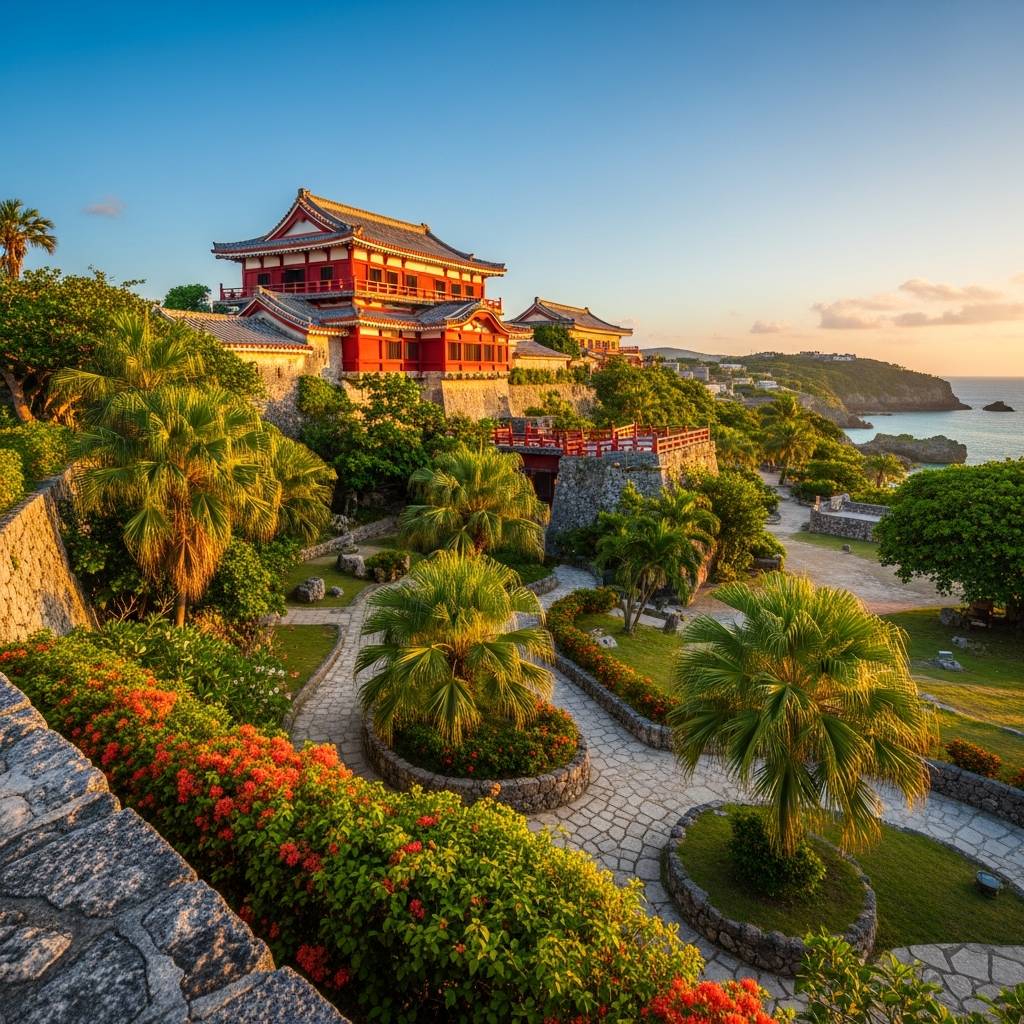
Are you planning your dream vacation to Japan’s tropical paradise? While most travelers know Okinawa for its pristine beaches and crystal-clear waters, the island holds profound historical treasures that many tourists overlook. As a UNESCO World Heritage enthusiast who has explored these magnificent sites firsthand, I’m excited to share Okinawa’s most spectacular historical gems that deserve a prime spot on your itinerary.
The Gusuku Sites and Related Properties of the Kingdom of Ryukyu represent not just beautiful landmarks, but living connections to a fascinating independent kingdom that once controlled maritime trade throughout East Asia. Whether you’re a history buff, architecture enthusiast, or simply looking to experience authentic cultural sites beyond the typical tourist path, these UNESCO treasures offer experiences you won’t find anywhere else in Japan—or perhaps the world.
In this comprehensive guide, I’ll take you through the majestic reconstructed halls of Shuri Castle, reveal spiritual power spots that even Japanese visitors rarely discover, and guide you to ancient fortresses with panoramic views that rival Europe’s most celebrated castles. Let me show you why Okinawa’s cultural heritage sites deserve at least two days of your precious vacation time.
1. Shuri Castle: The Phoenix Rising from Ashes that UNESCO Treasures
Majestically perched on a hilltop overlooking Naha City, Shuri Castle stands as the crown jewel of Okinawan heritage. This UNESCO World Heritage site encapsulates over 450 years of the Ryukyu Kingdom’s rich cultural legacy. The vermilion halls and ornate architecture blend Chinese, Japanese, and distinctly Ryukyuan elements, creating a visual symphony unlike any other castle in Japan.
Despite suffering devastating fires throughout history—most recently in 2019—Shuri Castle embodies resilience. The ongoing restoration efforts demonstrate the unwavering commitment to preserving this cultural treasure. Visitors can witness the painstaking craftsmanship that goes into recreating the detailed wood carvings, lacquerwork, and gold leaf embellishments that adorn the palace.
The Seiden (Main Hall) remains the focal point, where Ryukyu kings once conducted affairs of state and received envoys from China and Japan. Don’t miss the Shureimon Gate with its iconic “Shurei no kuni” inscription, meaning “Land of Propriety”—a perfect photo opportunity that captures the essence of ancient Ryukyu diplomacy.
For an immersive experience, time your visit during one of the traditional dance performances held in the castle grounds. These showcase authentic Ryukyuan court dances that have been preserved for centuries. The castle museum houses original artifacts that survived the fires, offering glimpses into royal life during the kingdom’s golden age.
To avoid crowds, arrive early in the morning or visit during weekdays. The castle illumination in the evening transforms the vermilion structure into a magical landscape that few tourists experience. The surrounding gardens and stone walls, some dating back to the 14th century, offer peaceful contemplation spaces away from the main halls.
The neighboring Shurijo Castle Park contains several historical structures worth exploring, including the Sonohyan-utaki Stone Gate, another UNESCO-recognized site where kings prayed for safe journeys. Together with Shuri Castle, these sites form the cornerstone of Okinawa’s cultural identity and stand as testaments to a sophisticated island kingdom that once flourished as the center of maritime trade in East Asia.
2. Sacred Power Spots: Hidden Ryukyu Kingdom Temples that Japanese Tourists Don’t Share
Beneath Okinawa’s tropical facade lies a spiritual landscape rarely experienced by foreign visitors. The ancient Ryukyu Kingdom left behind sacred temples and power spots that remain active sites of worship to this day. While Japanese tourists have long treasured these hidden gems, international travelers often miss these profound cultural experiences.
Sefa-utaki, tucked away in the southern part of the main island, stands as Okinawa’s most sacred site. This natural rock formation served as the principal worship site for the kingdom’s indigenous religion. Unlike mainland Japanese shrines with their distinctive torii gates, Sefa-utaki’s holiness manifests through natural elements – stone formations, ancient trees, and views toward the sacred island of Kudaka. The triangular opening in the rock known as “Sangui” frames a perfect view of this spiritual island, creating an energy vortex that spiritual seekers claim possesses extraordinary healing properties.
The Nakijin Castle ruins, while recognized for their impressive stonework, contain less-visited prayer sites where the kingdom’s priestesses once conducted rituals. The “Hiji-uganju” sacred spring within the complex remains active for spiritual practices. Visit early morning to avoid crowds and experience the mystical atmosphere that locals believe connects visitors to the ancient Ryukyuan deities.
In Naha city, Enkaku-ji Temple offers a surprising tranquil escape. Originally built as the royal family’s Buddhist temple, its remaining structures house ceremonies combining traditional Japanese Buddhism with indigenous Ryukyuan practices. The small prayer hall features subtle design elements representing the five elements, creating what spiritual practitioners describe as a perfect energy balance.
For those seeking deeper connections, the Nakamura House in Kitanakagusuku contains a family shrine demonstrating how spiritual practices integrated into daily life. The positioning of religious artifacts follows ancient geomancy principles, reportedly creating a protective energy field that helped the family prosper for generations.
These sacred spaces aren’t merely historical attractions but living spiritual centers. Respectful visitors might observe locals leaving offerings of awamori (Okinawan rice liquor), fruits, or small rice cakes. Maintain reverent silence, avoid flash photography, and never remove objects from these sites, as they’re considered deeply connected to the spiritual welfare of Okinawa’s people.
While tourism authorities promote Okinawa’s beaches and marine activities, these sacred power spots offer a profound glimpse into the spiritual heart that sustained the Ryukyu Kingdom through centuries of challenge and change. They represent an authentic Okinawan experience that transcends typical tourism, connecting visitors to an ancient tradition still vibrant in modern times.
3. Exploring Gusuku Sites: Ancient Fortresses with Breathtaking Ocean Views that Rival Europe’s Best Castles
The gusuku sites of Okinawa represent some of the most impressive ancient fortifications in Asia, yet remain surprisingly unknown to many international travelers. These magnificent stone castles, built between the 12th and 16th centuries during the Ryukyu Kingdom era, offer not only a fascinating glimpse into Okinawan history but also panoramic ocean views that can easily compete with Europe’s most celebrated castles.
Shuri Castle, the crown jewel of Okinawan gusuku, stands majestically in Naha City. While the original structure faced destruction multiple times, including during World War II, its meticulous reconstruction preserves the distinctive vermilion architecture that reflects both Japanese and Chinese influences. The stone walls alone, built with a unique Okinawan masonry technique called “nozura-zumi,” demonstrate remarkable engineering prowess that has withstood centuries of typhoons.
Nakagusuku Castle, recognized by UNESCO alongside other gusuku sites, presents one of the best-preserved original stone structures. The impressive 15th-century fortification was praised by Commodore Perry during his visit to Okinawa as “a greater wonder than the pyramids.” From its elevated position, visitors can enjoy breathtaking views across both the Pacific Ocean and the East China Sea—a strategic vantage point historically and a photographer’s paradise today.
For those seeking off-the-beaten-path experiences, Katsuren Castle offers a more tranquil exploration opportunity. This gusuku reveals fascinating evidence of international trade, with excavated artifacts including Chinese ceramics and even medieval European coins, demonstrating the Ryukyu Kingdom’s extensive maritime trade networks long before Western colonization reached East Asia.
When visiting these sites, early morning offers the most magical experience. The soft light illuminates the ancient stonework while the crowds remain thin. Many photographers particularly value the hour before sunset when the golden light transforms the weathered limestone walls into glowing monuments against the azure Okinawan sea backdrop.
Unlike Europe’s heavily commercialized castles, many gusuku sites maintain an authentic atmosphere where visitors can genuinely connect with history without excessive tourist infrastructure. This rawness adds to their appeal, allowing you to imagine life during the Ryukyu Kingdom as you walk the same defensive pathways once patrolled by ancient warriors.
沖縄のレンタカー予約は「レンタカー広場」
レンタカー広場で最高の旅の思い出を!
レンタカーの予約はこちらから↓
・沖縄の格安レンタカーが最安値「1,500円~」予約・比較はレンタカー広場がおすすめ
https://rentacar-hiroba.com/